Fruit and vegetable exports to the EU now need SL-GAP certified farms
After EU findings of high pesticide residues, Cabinet made SL-GAP certification mandatory for fresh produce exports to the EU in May 2026. Here is what exporters need to know.
· 2 min read · Forwarder.lk
What is happening
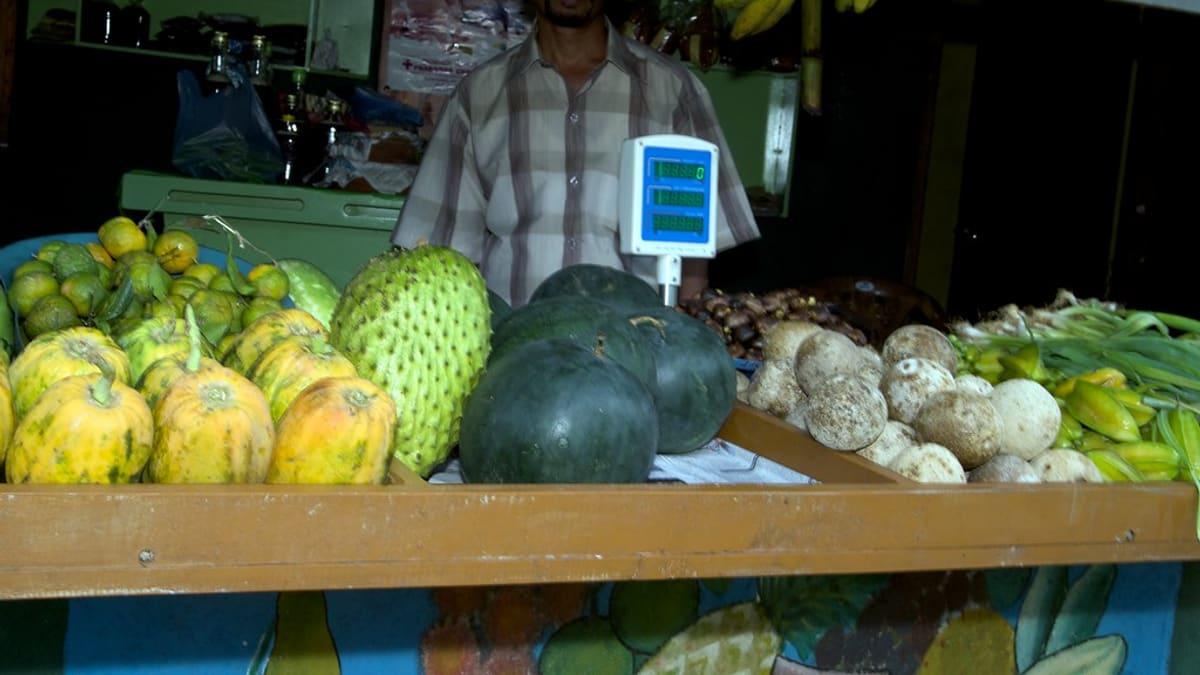
Exporters of fresh fruit and vegetables to Europe face a new rule. On 28 May 2026, the Daily FT reported that Cabinet had approved a proposal from Agriculture Minister K.D. Lalkantha making certification under Sri Lankan Good Agricultural Practices (SL-GAP) mandatory for all fresh fruit and vegetable exports to the European Union.
The decision followed findings by the European Commission that pesticide residues in some Sri Lankan fruit and vegetables exceeded EU Maximum Residue Levels (MRLs) to a degree authorities described as highly risky. Under the new rule, EU-bound produce must come from SL-GAP certified farms, be handled by registered exporters and pass through approved processing and packing centres. Testing and traceability are also to be strengthened.
Fresh produce is a small but valuable trade. The Daily FT reported that Sri Lanka exported about US$27.5 million of fruit and vegetables in January to April 2026. The EU as a whole took 25.5% of Sri Lanka's merchandise exports, and April shipments to the EU were US$224.42 million, up 4.97%. Lanka News Web reported that trade experts warned compliance costs could strain small farmers, and that exporters feared closer checks could slow shipments.
Air freight adds a second pressure. Most fresh produce leaves by air from Katunayake, often through Gulf hubs. The Morning reported in April 2026 that the Middle East conflict had raised freight costs and caused delays, and that the region takes 6 to 8% of Sri Lanka's exports, with Dubai the largest single destination there.
Why it matters
- Uncertified produce cannot go to the EU. If your supply comes from farms without SL-GAP certification, it no longer qualifies for EU markets.
- Rejections are costly. An EU border rejection for residues can mean destruction of the shipment, extra checks on later consignments and damage to Sri Lanka's reputation.
- Small growers need help. Many exporters buy from smallholders. Getting them certified takes time, training and records.
- Perishables cannot wait. With air cargo space and rates under pressure, any delay in paperwork or testing eats into shelf life.
What you can do
- Map your supply base. List every farm you buy from for EU orders and check its SL-GAP status with the Department of Agriculture.
- Register and get your phytosanitary process right. The National Plant Quarantine Service (NPQS) issues phytosanitary certificates. According to the Department of Agriculture, exporters must register, apply, allow inspection and sampling, and supply documents including packing lists with botanical names and GAP certification for the EU. The fee is Rs. 162 per consignment. Certain EU-bound items require certified field origin.
- Test before you ship. Commission residue tests against EU MRLs for high-risk crops, and keep lab reports with your shipment files.
- Book air cargo early. Compare costs with our chargeable weight tool and track shipments with our cargo tracking tool. Ask freight forwarders experienced in perishables about direct and transit options.
- Consider other markets for uncertified produce. Maldives and Middle East buyers have different requirements. Check them before switching.
Rules are still being implemented. Check the Department of Agriculture and NPQS for the latest requirements before each EU shipment.
Sources
- Cabinet mandates SL-GAP certification for fruit and vegetable exports to EU amid pesticide residue concerns, Daily FT, 28 May 2026
- Sri Lanka Tightens Food Safety Rules after EU Warning, Lanka News Web, 29 May 2026
- NPQS Services Export, Department of Agriculture Sri Lanka, Invalid Date
- Conflict in the Middle East: Strain on Sri Lanka's forex reserves?, The Morning, 5 April 2026
General information, based on the sources above as of 6 September 2026. It is not legal, customs or financial advice: check the official source before you act.
Is this affecting your shipments?
Share your experience or ask others in the community. No account needed.