The issues affecting importers, exporters, forwarders and transporters right now, in Sri Lanka and around the world: what is happening, why it matters, and what you can do. Every post links to its sources.
Trade watch
Updated 24 October 2026. Each figure links to its source.
Brent crude
US$116.91 per barrel
▲+3.30% on the day
Trading Economics: Friday close; up more than 6% on the week
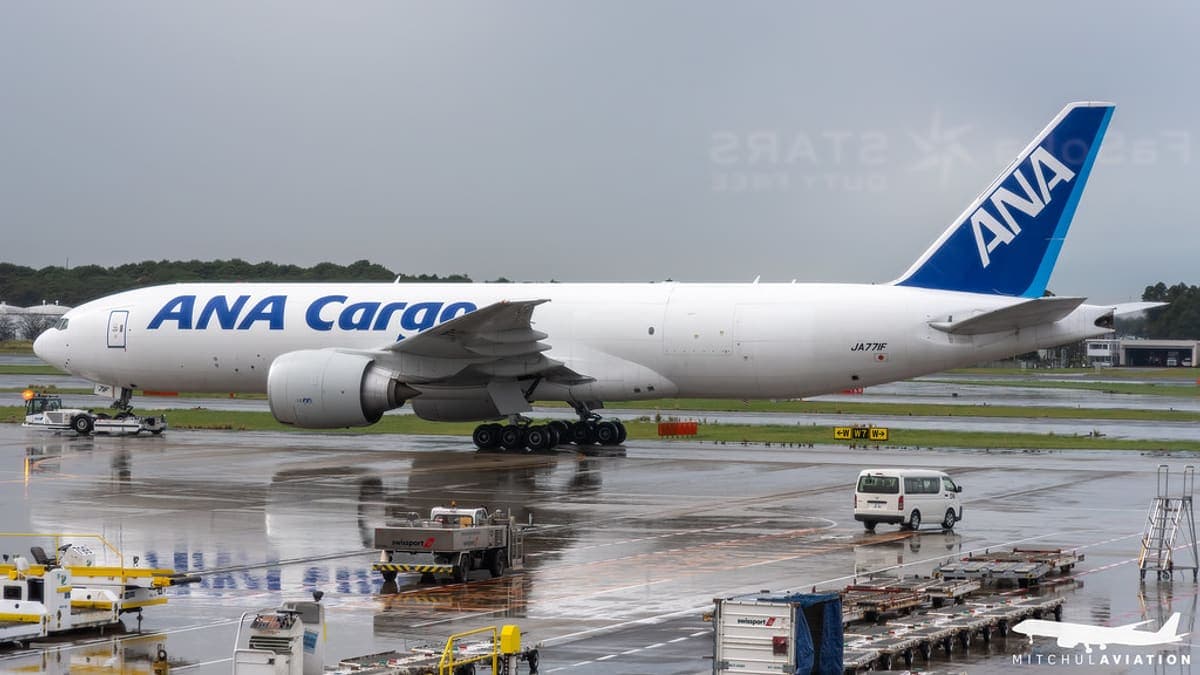
TAC's Baltic Air Freight Index rose 4.7% in the week to 19 October and is 26.4% up on last year, while WorldACD says Gulf capacity is 20% below February levels.
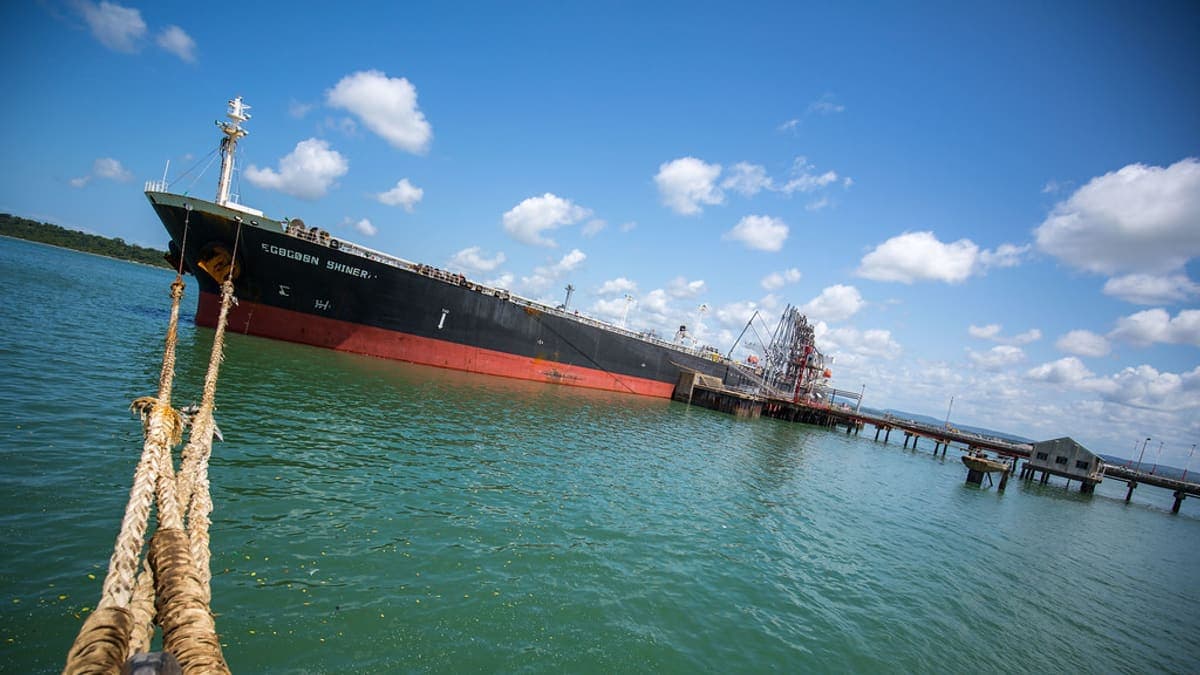
Brent rose to US$116.91 on 23 October, up 3.3% on the day and over 6% on the week, after unverified Iranian claims of seven tankers hit; Singapore VLSFO rose to US$963/t.
Sri Lanka signed an MoU with Yunnan on 23 October 2026 offering free warehousing, free permanent exhibition booths, online access and customs and transport help for goods entering China.
Drewry's World Container Index rose 2% to US$4,585 per 40ft on 22 October, up from US$4,485, with eight Asia-Europe blank sailings planned and only two ships entering the Gulf in Week 42.
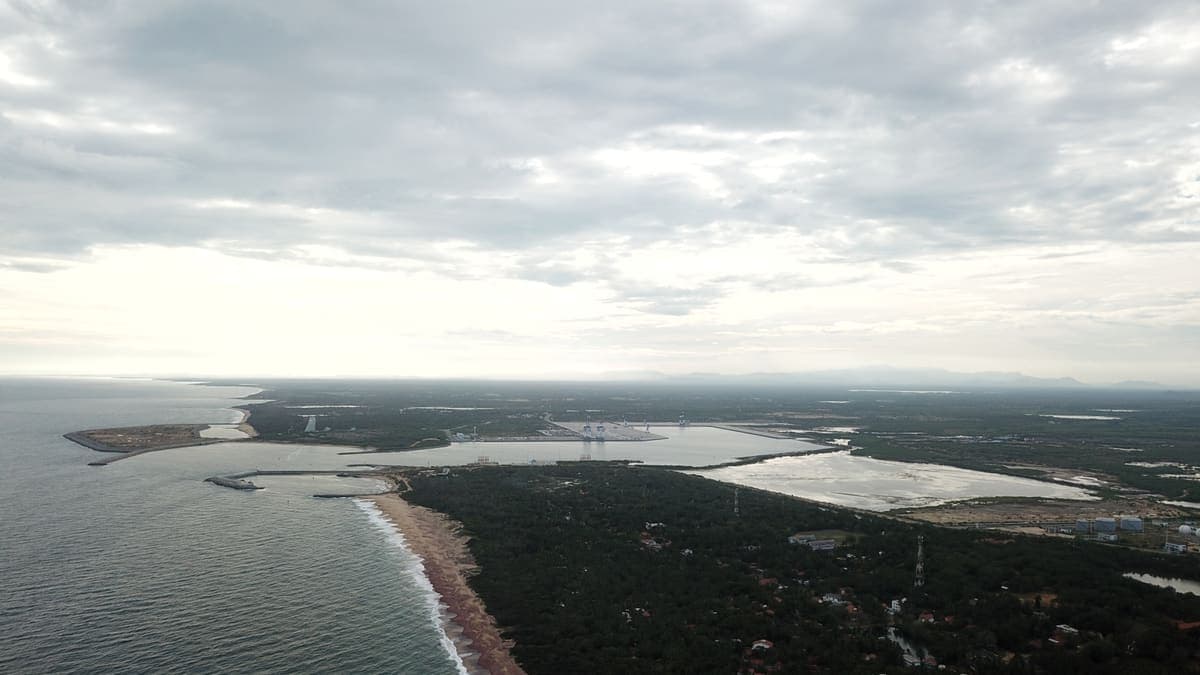
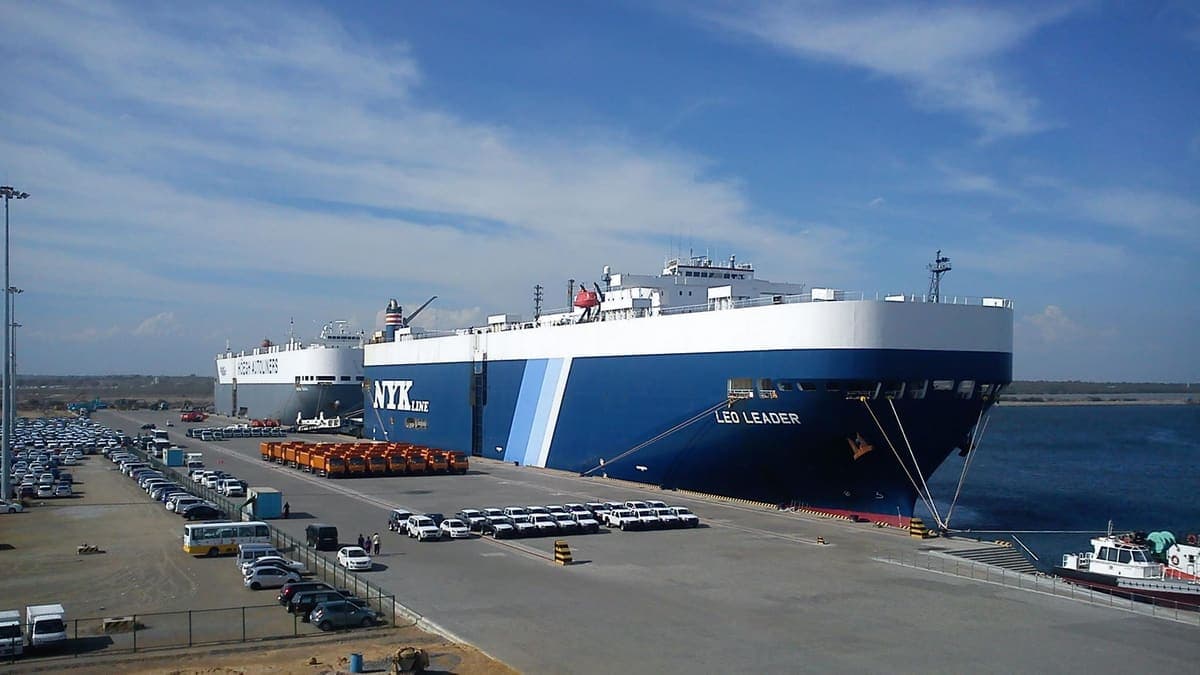
HIPG says a return to the Suez route could help Hambantota as it prepares 2 million TEUs of capacity in Q1 2027, has committed US$149 million to equipment and plans gateway cargo with an inspection centre.
A Colombo workshop on the EU Deforestation Regulation covered rubber, tyres and hoses. The rules apply from 30 December 2026 for large and medium EU operators and 30 June 2027 for small ones.
Saudi Arabia says debris from a drone aimed at Aramco's Shaybah field killed two; the US ordered non-essential staff out; Brent was at US$110.12 on 22 October.
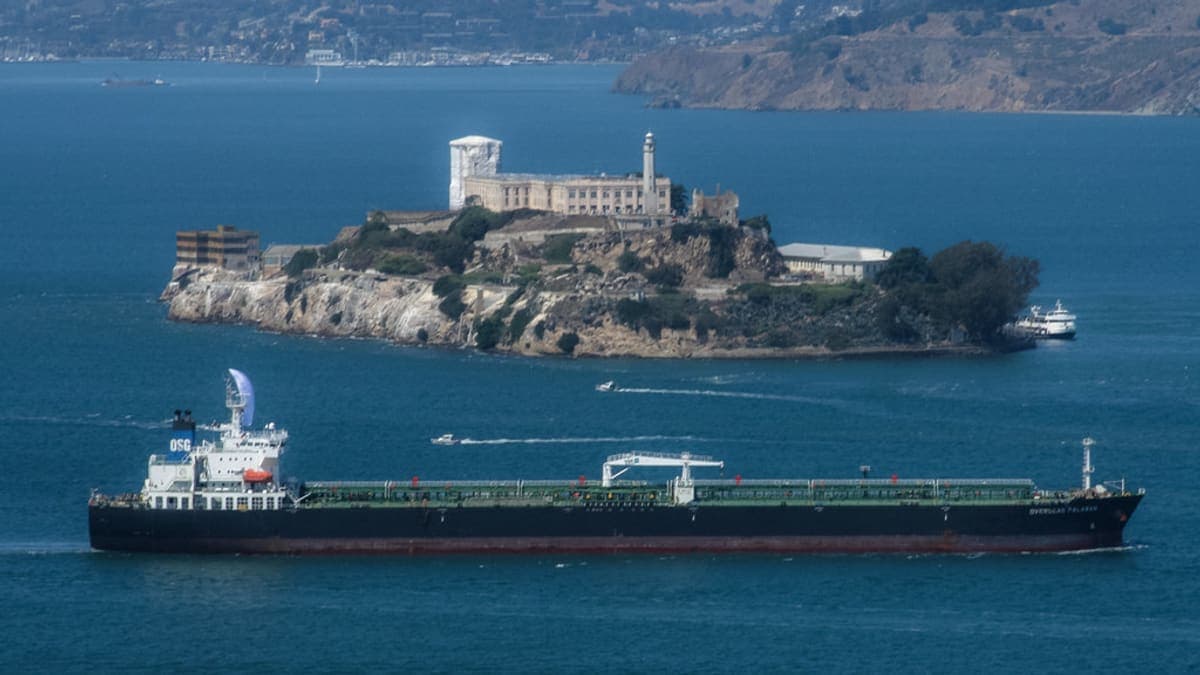
The IEA says shipping Gulf crude to Asia now costs over US$37 a barrel, five times pre-war; Platts puts a Gulf to west India VLCC at US$95.83/t vs US$19.15 in February.
Cabinet on 19 October approved sending Import and Export (Control) Regulations No. 08 of 2026 to Parliament, setting standards for tyres under HS 4011.10.90 and 4011.90.10.
Sri Lanka's first renminbi clearing bank began operating on 15 October, letting China trade be settled in RMB without a US dollar step. Imports from China were US$5.15bn in 2025.
At least 23 ship attack incidents were logged near Hormuz in early October, five hitting engine rooms, Bloomberg reported. JMIC says transits are about 70% below prewar. Brent near US$110.
Tea output fell 3.28% to 192.62m kg in Jan-Sep 2026, the lowest since at least 2016, while export earnings dropped to about US$1.083bn from US$1.163bn, with more cargo moving via Turkey.
JAAF says the Protection of the State from Terrorism Bill is very likely to be a roadblock when Sri Lanka reapplies for EU GSP+, which gives duty-free entry to a market taking over 30% of exports.
Washington waived Graham Act tariffs and sanctions on Russia due from 18 October and plans to let sanctioned tankers carry oil legally. Brent dipped on 19 October and was US$109.51 on 20 October.
The partners behind the South Asia Commercial and Logistics Hub in the Port of Colombo have ended the project. The SLPA will pay US$21.9 million within 30 days, the Daily FT and Sunday Times report.
The National Chamber of Exporters has urged the authorities not to amend Gazette No. 2334/26, which bundles terminal handling costs into one freight rate, while NVOCC agents want terminal charges collected separately.
The US Embassy says US$17 million will help SLPA build a Maritime Single Window and a Port Community System at Colombo. A partner will be chosen by open tender; no go-live date was given.
Drewry's index rose on 15 October as Shanghai-Rotterdam gained 6%. Carriers seek higher Asia-Europe FAK rates from 19 October, but Drewry says extra Suez capacity makes them uncertain. Intra-Asia rates eased 3%.
The IEA said record diesel prices are hitting the wider economy and that tightness could last well into 2027. On 15 October its board agreed to release over 20 million barrels of diesel as soon as possible.
The President said Cabinet will keep state ownership of Colombo's East Container Terminal but sell shares in a management company. He also gave port, bunkering and Customs law plans.
A 2,824 TEU Singapore-flagged container ship sank after being hit on 13 October, and a bulk carrier also sank. Over 20 vessels have been attacked in the region this month.
Bloomberg and Reuters report a Houthi missile attack hit Saudi Aramco's Dhahran headquarters on 13 October, part of a week of strikes on Saudi airports and energy sites, as Brent rose to US$106.68.
The IMF's October 2026 World Economic Outlook raises global growth to 3.1%, assumes oil at US$95.74 and Hormuz reopening from March 2027, and sees Sri Lanka growing 3.7% in 2027.
Drewry now expects Suez transits to reach 80% of pre-diversion levels by February 2027, but war-risk costs narrow the saving and some cargo insurers do not cover ad hoc Suez routings.
President Dissanayake says no decision yet on a successor IMF programme after March 2027, and warns the fuel import bill could reach about US$6 billion this year if trends continue.
Official reserves fell 1.1% to US$6,851 million at end September as the Central Bank bought a net US$64.2 million. Scheduled outflows over the next 12 months equal 86% of reserves, Daily FT reported.
A drone struck a tanker at Oman's Sohar anchorage and a projectile set another on fire in the Strait of Hormuz on 11 October. Brent rose above US$105 in early Asian trade, then fell toward US$103.
A Houthi attack on Riyadh airport on 10 October killed at least 12, Saudi authorities said. SriLankan Airlines has suspended all Riyadh flights until 18 October, and other airlines have cut services.
Lanka IOC, Sinopec and RM Parks have cut diesel supply to the market, CPC and the Energy Minister say. The Government may seek legal advice under the Petroleum Act, the Daily FT reported on 8 October.
Sea-Intelligence data released on 8 October shows ports on the edges of the Middle East conflicts, including Duqm, Khor Fakkan and Hambantota, gained liner connectivity in Q3 2026.
Brent rose 4% to US$104.28 on 8 October as Hormuz attacks cut tanker traffic, NBC reported. CPC says Sri Lankan fuel prices can be held until the end of October.
Sri Lanka Customs says importers must get a digital signature and finish registration by 19 October, when manual document submissions for FCL imports under office code CBHQ1 end.
Drewry's World Container Index fell 2% to US$4,351 per 40ft on 8 October during Golden Week. Carriers plan late October FAK rises, but Drewry says their success is uncertain.
IATA says August air cargo demand rose 4.4% with capacity flat. Xeneta puts September spot rates at US$3.10/kg, up 27%, and TAC's index rose 5% in the week to 5 October.
Sea-Intelligence says about 3 million TEU is stuck in delays at Asian ports after typhoons hit Shanghai and Ningbo, with recovery taking 7 to 10 months. Intra-Asia rates are at records.
With EU ETS at full coverage in 2026, Maersk and ONE reset emissions surcharges from 1 October, while IMO talks on a global carbon price stalled in September and move to December.
Gemini, COSCO, MSC and now the Premier Alliance are moving Asia-Europe services back through Suez, while schedule reliability fell to 49.9% in August. Escorts in the Red Sea remain stretched.
In a decision announced on 30 September, the CBSL kept the OPR at 8.75% with inflation at 8.0%. The current account posted a US$133 million August surplus, but the Jan to Aug trade deficit widened to US$7.2 billion.
BIMCO expects fleet capacity to grow 4.6% in 2026 and 9% in 2027, with an orderbook over 14 million teu, about 42% of the fleet. A full Suez return would free even more ships.
Drewry's index slipped 1% to US$4,434 per 40ft on 1 October and the SCFI eased to 3,662 points. Carriers plan FAK rises for late October, but blank sailings are low and Suez capacity is growing.
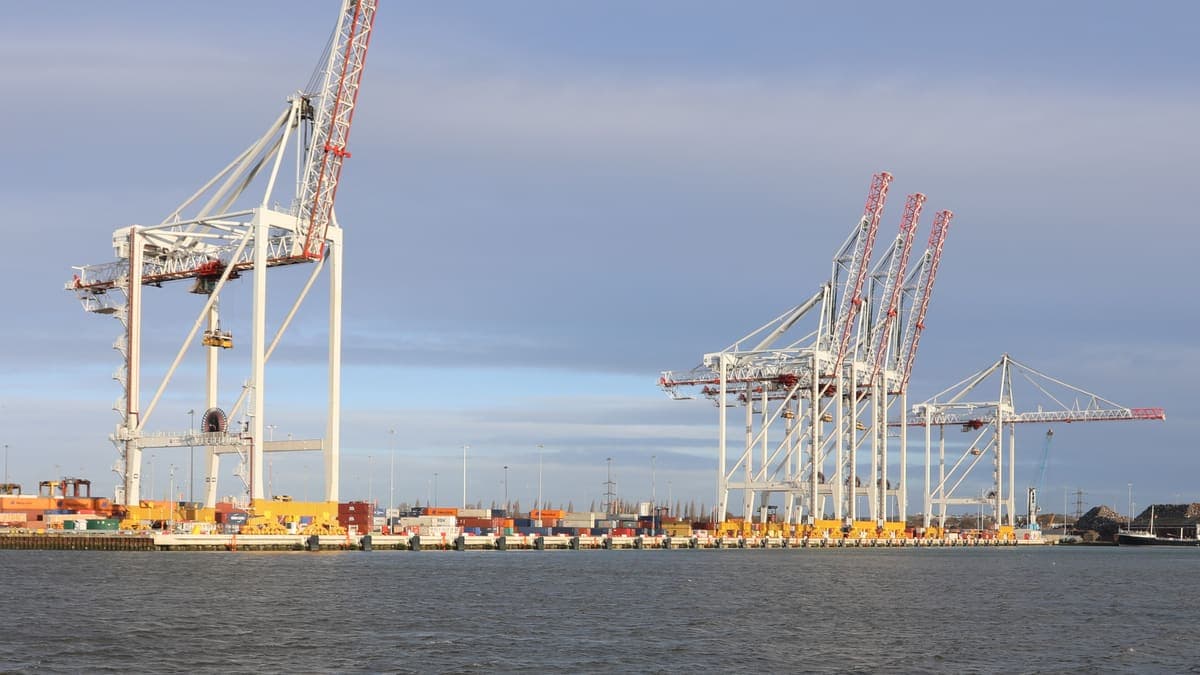
Hambantota International Port has handled 1,002,232 TEUs since new cranes arrived in 2025, and is investing US$108 million in six quay cranes and 16 RTGs due by February 2027.
Brent traded around US$101 on 5 October as Hormuz tanker attacks continued. OPEC+ held November output, and the EIA now sees Brent at US$105 in Q4 2026.
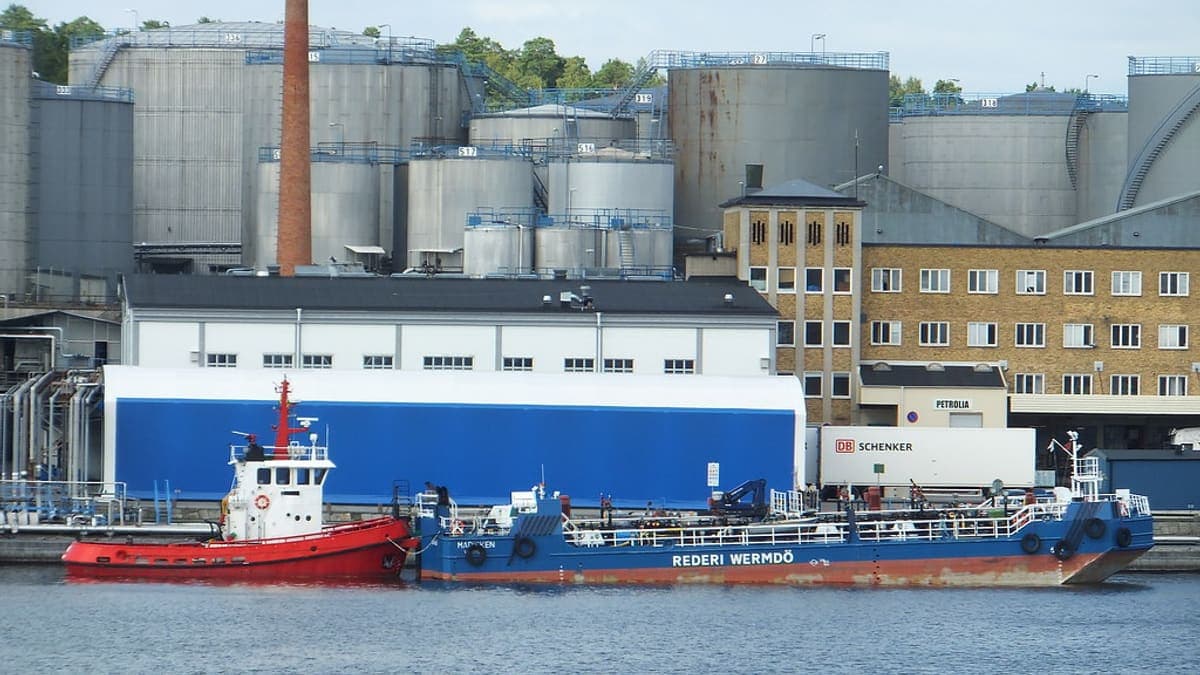
Singapore VLSFO reached US$890 a tonne on 6 October, well above the US$752 average behind Maersk's Q4 fuel fee. What Q4 surcharges mean for Sri Lankan cargo.
The US and China listed about US$30 billion of goods each way for tariff cuts, a 100% US pharma tariff began on 29 Sept, and a Section 301 probe of 16 Asian rivals is still open.
Cyclone Ditwah caused an estimated US$4.1 billion in damage, rail repairs run to end-2026, and August floods blocked roads again. How to plan for weather disruption.
Diverted Gulf cargo pushed Colombo's yards and berths to their limits in August and September 2026. Here is what happened, how it affects local shippers and how to plan around it.
Sri Lanka is seeking to join RCEP, negotiating with the UAE and Indonesia, and has set up a new national trade negotiation structure. What is under way and what it means for traders.
Tea exports fell 5% by volume in January to August 2026 as heavy rain cut high grown output and Middle East buyers pulled back. Türkiye has become a leading buyer.
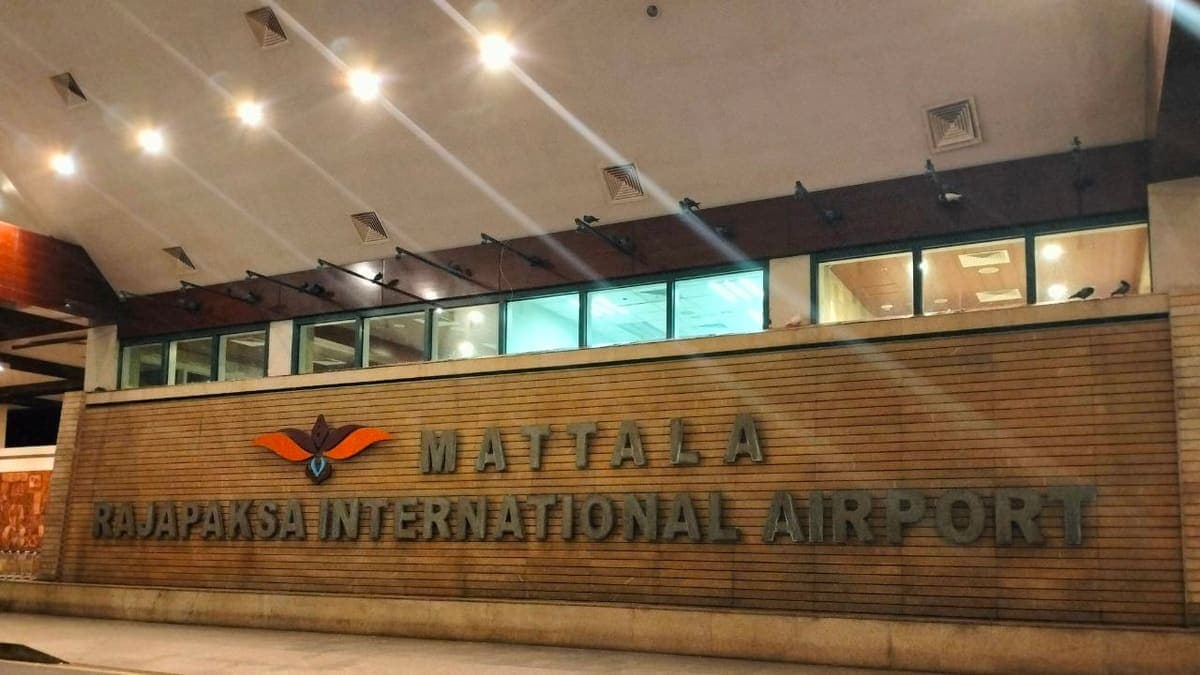
Mattala airport loses nearly Rs. 4 billion a year and 19 proposals are under review, with cargo and warehousing on the list. What exporters and forwarders should watch.
From 1 October 2026, Sri Lanka Customs will accept CusDecs and supporting documents only electronically with valid digital signatures. What changes and how to prepare.
Remittances reached US$6.1 billion in the first eight months of 2026 and reserves recovered to US$6.9 billion, cushioning a much larger fuel import bill.
Probes into about US$715 million sent abroad for imports that never arrived led to new rules on advance payments in June 2026. Steps to guard against fraud and payment diversion.
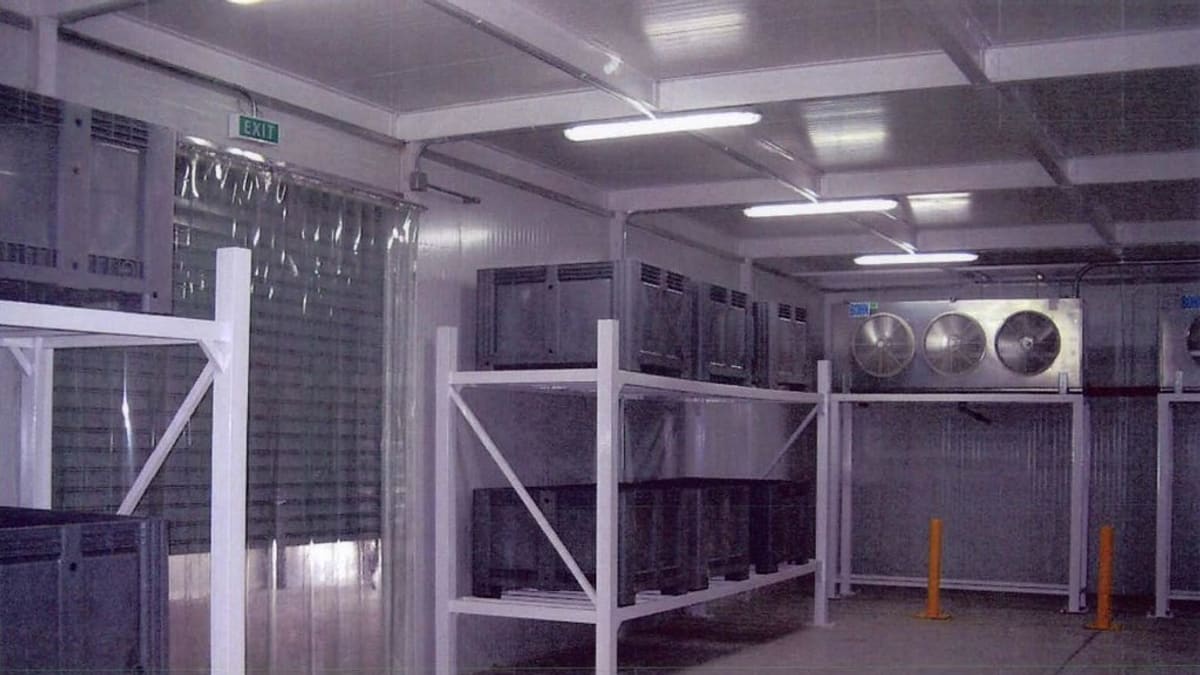
A Dambulla cold store still fixing its cooling system, Japanese-funded refrigerated trucks for fish and cold-chain talks with Qatar. What shippers of perishables should do.
Drewry's index shows Asia–Europe rates easing in September 2026 while transpacific rates stay high. What the swings mean for Sri Lankan exporters and how to manage them.
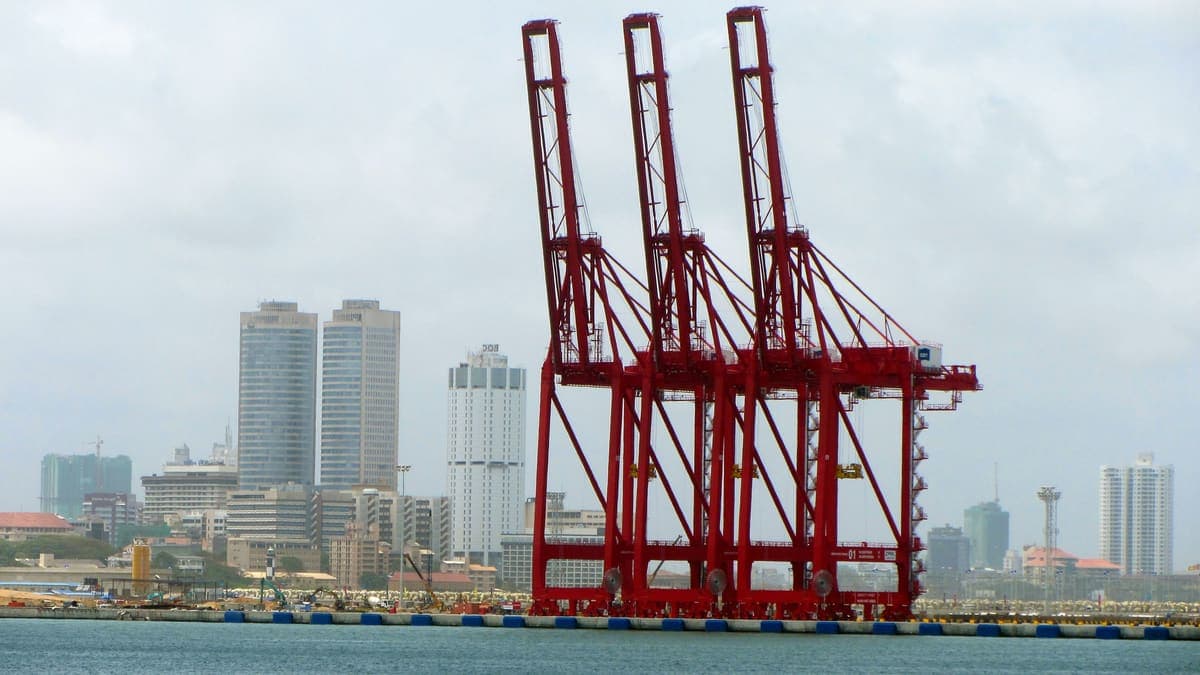
The Adani-led West terminal is taking a fifth of Colombo's volumes and the state-run East terminal is due to be fully ready by end-2026. What the extra capacity means for importers and exporters.
Sri Lanka's exports reached US$12.01bn in January to August 2026. Merchandise fell 1% in August as apparel, tea and coconut declined while spices and electronics grew.
An IMF mission left Colombo on 23 September without a staff-level deal on the seventh review. Here is what the programme asks for and why it matters to trade.
Since 10 July 2026, Sri Lanka bans imports of goods made with forced labour and expects importers to certify compliance to Customs. What the rule says and how to prepare.
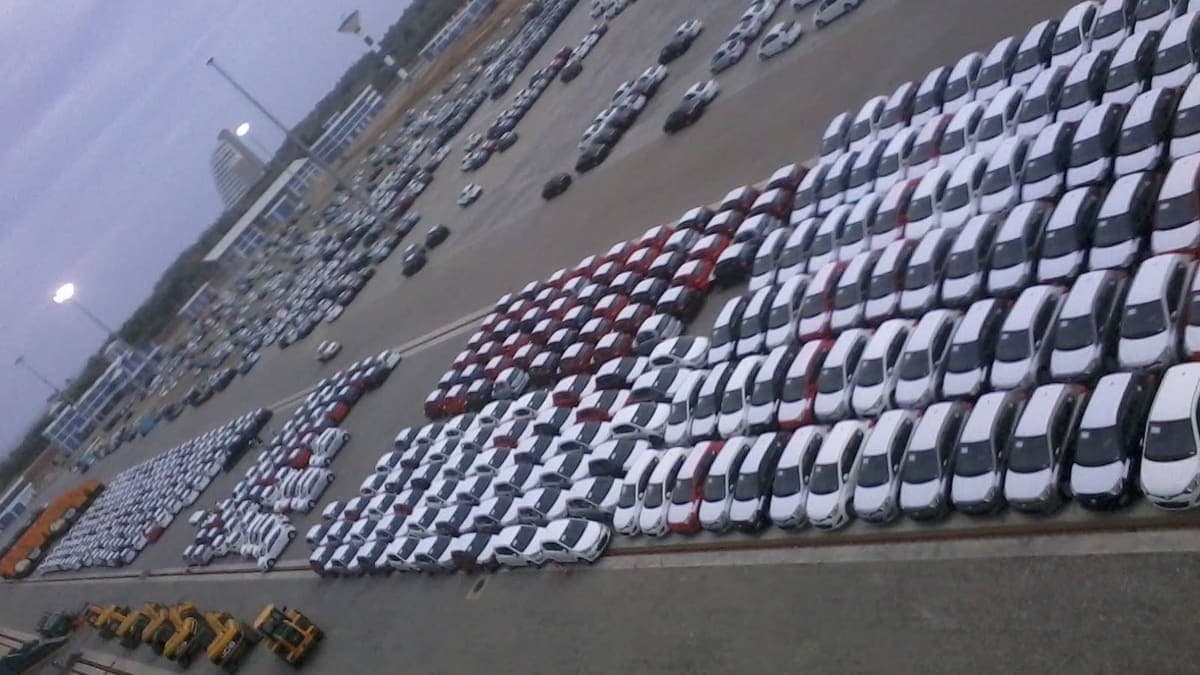
Sri Lanka imported 316,000 vehicles in the first half of 2026, yielding Rs. 512 billion in taxes. Yet hundreds remain stuck over document disputes or abandoned. What importers need to know.
With tariff reform changing duty by HS code in 2026, getting classification right matters more. How to apply for an advance classification ruling and why it can save time and money.
Budget 2026 replaced cess and levies on fabric and edible oils with VAT, changed SSCL on vehicles and planned a lower VAT threshold, which was later withdrawn. A guide for importers.
The CBSL raised its policy rate to 8.75% in May 2026 and prime lending rates are near 10.8%. Here is how that affects import finance and what to watch at the 30 September review.
After the 2025 price spike and kernel import approvals, coconut kernel exports fell 27% in July 2026 while coir exporters report raw material shortages.
Sri Lanka Customs passed Rs. 2 trillion by mid-September 2026, helped by tighter action on under-invoicing. How valuation works, when values are rejected and how to appeal.
Clearance delays, congestion and rerouted cargo have left Sri Lankan importers facing large demurrage and detention bills in 2025-26. What the charges are, recent disputes and practical steps.
Vehicle imports are open again, but 2026 brought new controls: bank checks on advance import payments, an HCFC product ban and a licence list of over 400 items. What importers need to know.
Around 300,000 Sri Lankans leave for work abroad each year, and industry writers warn of a shortage of skilled logistics staff. How firms can hold on to people.
SVAT ended on 1 October 2025 and exporters now pay VAT upfront and claim refunds. Official figures show faster refunds, but cash flow and compliance still need care.
The National Export Development Plan targets US$36bn by 2030. EDB is running new overseas pavilions, sustainability training and Sri Lanka Expo 2027 in January.
SLPA says a logistics hub with free-zone and bonded warehousing will launch within months. How entrepot trade works and what importers and re-exporters should check.
In June 2026 the Cabinet told the Legal Draftsman to prepare a Bill amending the Customs Ordinance, based on a review committee's report. Background, process and what to watch.
Sri Lanka moved to four customs duty bands of 0, 10, 20 and 30% on 1 April 2026 and began phasing out cess by 2029. Here is the schedule and what it means for importers.
The Sri Lanka Ports Authority has published its 2026 tariff. With yards congested, here is how free storage time and daily rent work for import and export containers, and how to avoid paying more.
CBSL's Repatriation of Export Proceeds Rules No. 2 of 2026 shorten the time exporters can hold foreign currency before converting it to rupees. Here is what changes.
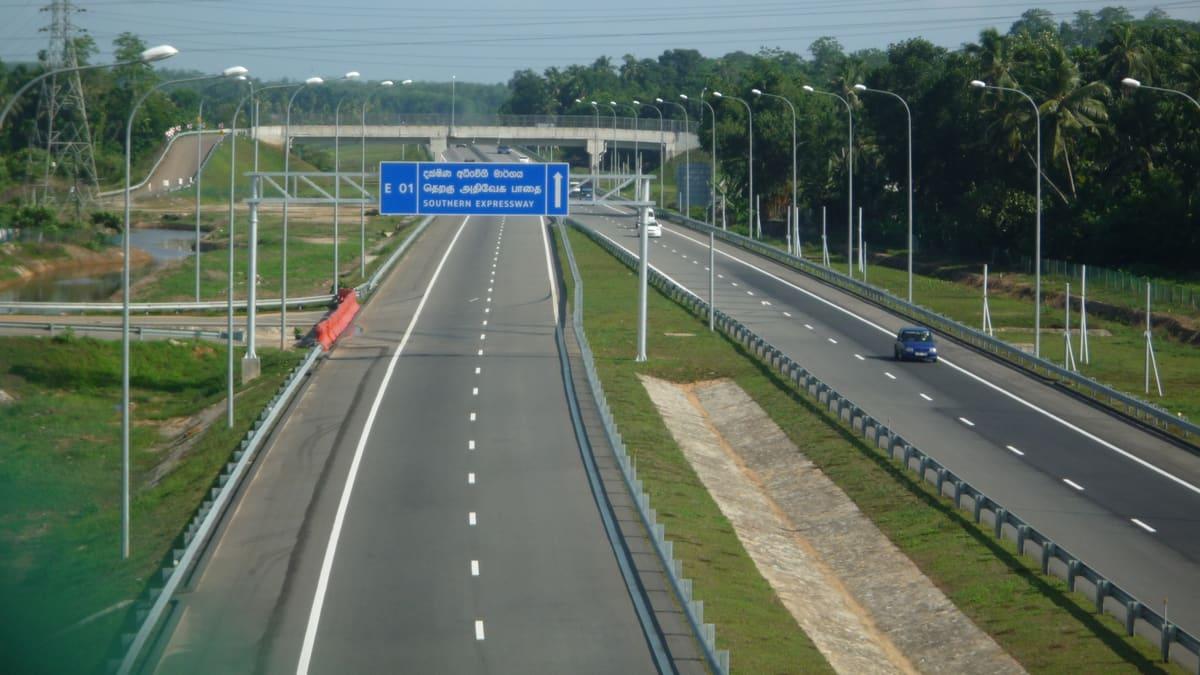
The elevated road into Colombo Port is years late and its cost has risen by about Rs. 40 billion, while the Kadawatha to Mirigama expressway is due in 2028.
Talks on a China–Sri Lanka free trade agreement began in 2014 and stalled in 2017. Both sides say they want a deal. Here is what is known and what it could mean for importers.
Customs moved small e-commerce parcels from flat per-kilo charges to HS code based duty in 2025, causing backlogs. What the rules are now and what importers and couriers should do.
Carriers have layered war risk, peak season and emergency surcharges on to Sri Lankan exports in 2026. A guide to the main charges announced and how to keep them under control.
Tariffs rose from 1 April and again by 18% for larger users from 11 May 2026. With the Q3 rates held, here is what cold-chain and warehouse operators should plan for.
The government plans to make Ratnapura a global gem hub and is merging the GJRTI into the NGJA, while officials say irregular gem exports exceed US$1 billion.
A weekly 81 TEU container service across the Palk Strait was scheduled from September 2026. What northern and eastern traders should know before booking.
India and Sri Lanka will set up a joint working group to update the ISFTA, while ETCA talks remain unfinished. What this means for traders who use the agreement today.
More goods now need SLSI approval before release, including plastic bottles from April and sanitary towels from 8 October 2026. How the scheme works and how to avoid delays.
The 2026 Middle East conflict closed the Strait of Hormuz to most shipping and sent Gulf transshipment to Colombo. How that has lifted port volumes but raised costs for local exporters.
The EU's CATCH system for catch certificates became mandatory for importers in January 2026. Sri Lanka's seafood exports fell 60% in July; here is what exporters should check.
Diesel has held at Rs. 382 since June, but global oil is back above US$100 and the government plans a Rs. 41 billion fuel subsidy for October to December.
The export plan to 2030, a World Bank ports and logistics programme and a promised committee on forwarder and NVOCC concerns set the direction. What it means for the trade.
The Sri Lanka–Thailand free trade agreement was signed in February 2024 and ratified by Cabinet, but traders are still waiting for clear word on when preferential tariffs apply.
More than 65% of imported containers are physically inspected though most prove compliant, industry figures show. Customs is moving towards risk-based release. What it means for importers.
Since June 2026 exporters have faced tight vessel space, rolled bookings and container imbalance fees as ships shifted to the transpacific and Gulf routes were disrupted. What is behind it and how to cope.
Container transport owners raised charges by 20% in March and a further 5% in June 2026 after fuel price hikes. Here is how that feeds into your logistics bill.
After EU findings of high pesticide residues, Cabinet made SL-GAP certification mandatory for fresh produce exports to the EU in May 2026. Here is what exporters need to know.
The EU's new GSP rules start in 2027 with 32 conventions instead of 27. Sri Lanka keeps its GSP+ benefits until end-2028 but must reapply. Here is what that means for exporters.
The Trade National Single Window is due to be piloted with six agencies by the end of 2026, with full operation planned for 2027. Here is the latest public timeline and what it means for traders.
Hambantota set new records for vehicles and containers in June 2026 as lines looked for alternatives to Gulf hubs. What the port now offers, its storage rules, and where the Sinopec refinery stands.
WEAIR began freighter operations in June 2026 while SriLankan Airlines' cargo revenue has been under pressure. What exporters shipping by air should watch at BIA.
The rupee lost ground against the dollar between March and July 2026 before recovering part of it. Here is what that means for landed costs, LCs and pricing.
Sri Lanka Customs has closed its Green Channel and Fast Track schemes and now offers facilitation through its Authorized Economic Operator programme. Here is what changes and how to prepare.
After a 44% threat, a Supreme Court ruling and a temporary surcharge, Sri Lankan goods now face a 10% Section 301 duty in the US. Here is how it happened and what exporters should check.
India, Sri Lanka and the UAE are pushing the Trincomalee energy hub while the SLPA says new port investment there must follow real cargo demand. Where plans stand in 2026.
War risk premiums for Gulf and Red Sea voyages have jumped in 2026, and some exporters found existing cover no longer applied. Here is what to check in your policies.
1 September 2026 · 2 min read
Follow new posts with the RSS feed. Want to discuss an issue? Ask in the community.