India and Sri Lanka agree to update their 1998 free trade agreement
India and Sri Lanka will set up a joint working group to update the ISFTA, while ETCA talks remain unfinished. What this means for traders who use the agreement today.
· 2 min read · Forwarder.lk
What is happening
India and Sri Lanka have agreed to begin formal talks on updating the India–Sri Lanka Free Trade Agreement (ISFTA). During Indian Foreign Secretary Vikram Misri's visit to Colombo in early August 2026, both sides "welcomed the initial discussions in June this year and the decision to take forward negotiations on updating the Free Trade Agreement", according to the Indian government statement published by GlobalSecurity.org.
Mawrata News reported that a joint working group will be formed, with both sides nominating members before discussions begin.
This is separate from the Economic and Technology Cooperation Agreement (ETCA), which was meant to add services and investment to the existing goods deal. According to the High Commission of India in Colombo, the 14th round of ETCA talks took place in Colombo in July 2024. ETCA has been slow, partly because of concerns in Sri Lanka about opening services to Indian professionals, as EconomyNext has reported.
Why it matters
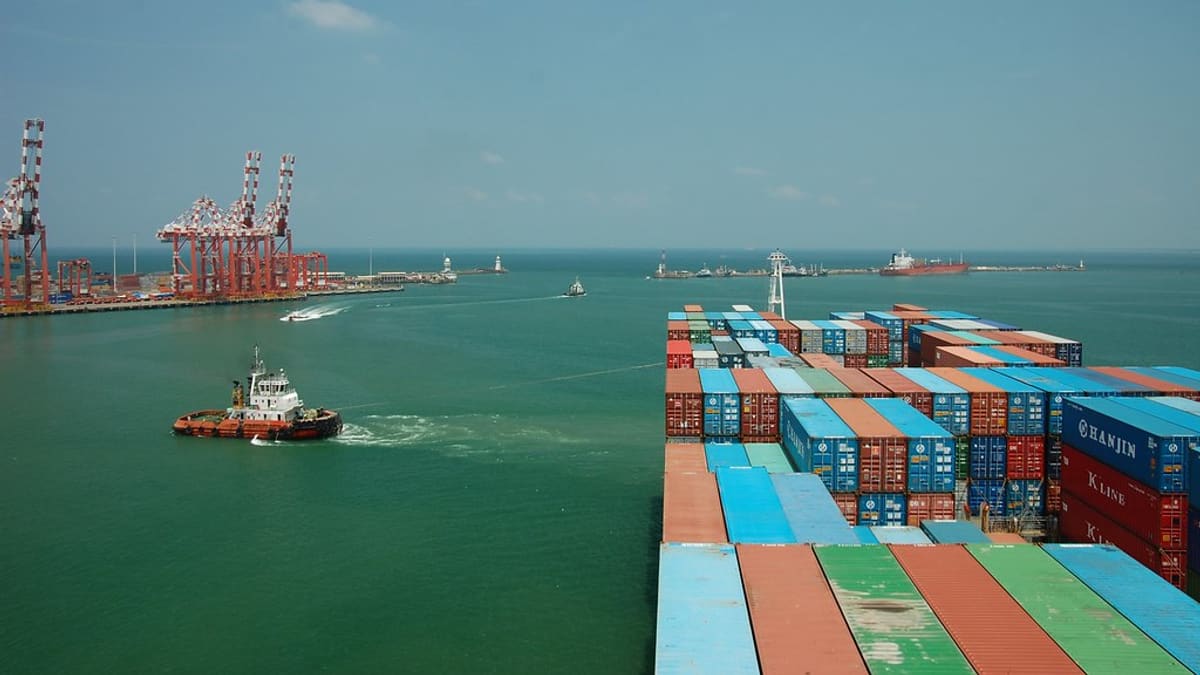
The ISFTA was signed in December 1998 and came into operation in March 2000. It is heavily used by Sri Lankan exporters. The Indian High Commission says more than 60% of Sri Lanka's exports to India in recent years used ISFTA benefits, compared with about 5% of India's exports to Sri Lanka.
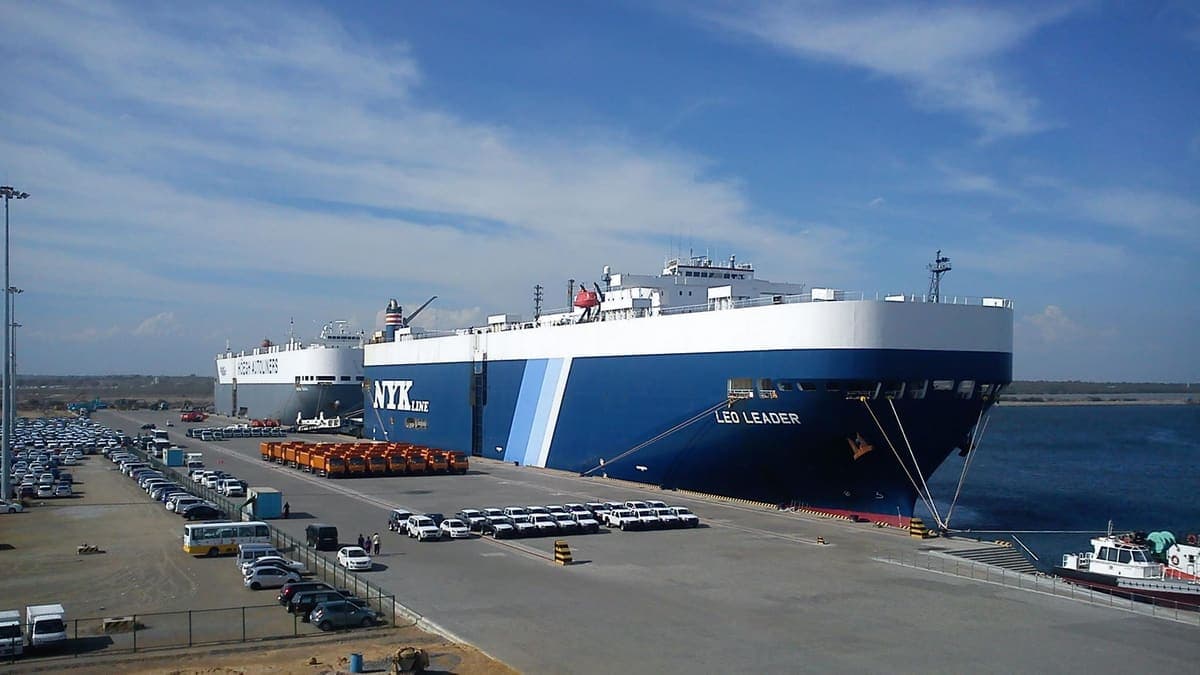
The trade balance is lopsided. The High Commission puts 2025 bilateral trade at USD 5.42 billion, with Indian exports to Sri Lanka of USD 4.38 billion and Sri Lankan exports to India of USD 1.04 billion. India was Sri Lanka's second-largest export market and supplied 20.4% of its imports in 2025.
Updating the agreement could change several things traders deal with every day:
- Negative lists. Both countries keep lists of products excluded from concessions. Changes here would alter duty on specific goods.
- Rules of origin. Stricter or looser origin rules decide whether products made with imported inputs qualify.
- Customs procedures. Modern FTAs usually add trade facilitation chapters, which could speed up clearance.
Sri Lanka's new approach to trade talks also matters. In August the Cabinet approved a National Trade Negotiations Committee to review existing FTAs and amend clauses found to be disadvantageous, according to the Daily FT. India is one of the first partners likely to go through that process.
What you can do
- Claim what you are entitled to today. If you import from India, check whether your goods qualify for ISFTA duty and whether your supplier can issue a valid certificate of origin. Our HS code finder shows general duty rates for comparison.
- Map your exposure. List your products that sit on negative lists or face other limits. These are the items most likely to change.
- Feed in your views. The government says business groups will sit on a new Trade Policy Advisory Committee. Work through your chamber or trade association to raise problems with the current agreement.
- Watch for the working group. Once members are named, the Department of Commerce is the place to follow progress.
This article is general information. Confirm the current rules with the Department of Commerce and Sri Lanka Customs.
Sources
- Visit of Foreign Secretary of India to Sri Lanka, Ministry of External Affairs, India (via GlobalSecurity.org), 5 August 2026
- Sri Lanka, India Agree to Update Free Trade Agreement, Mawrata News, 9 August 2026
- India-Sri Lanka Economic and Trade Engagement, High Commission of India, Colombo, Invalid Date
- Cabinet approves new framework for future trade negotiations, Daily FT, 9 September 2026
- Sri Lanka Cabinet to appoint panel to review FTAs, enter new bilateral deals, EconomyNext (via bilaterals.org), 8 September 2026
General information, based on the sources above as of 11 September 2026. It is not legal, customs or financial advice: check the official source before you act.
Is this affecting your shipments?
Share your experience or ask others in the community. No account needed.