Air cargo in Sri Lanka: a new freighter, weaker SriLankan cargo income and BIA works
WEAIR began freighter operations in June 2026 while SriLankan Airlines' cargo revenue has been under pressure. What exporters shipping by air should watch at BIA.
· 3 min read · Forwarder.lk
What is happening
Air freight out of Sri Lanka has long depended on the belly space of passenger aircraft, much of it on foreign carriers. Three developments in 2025 and 2026 are changing that picture a little.
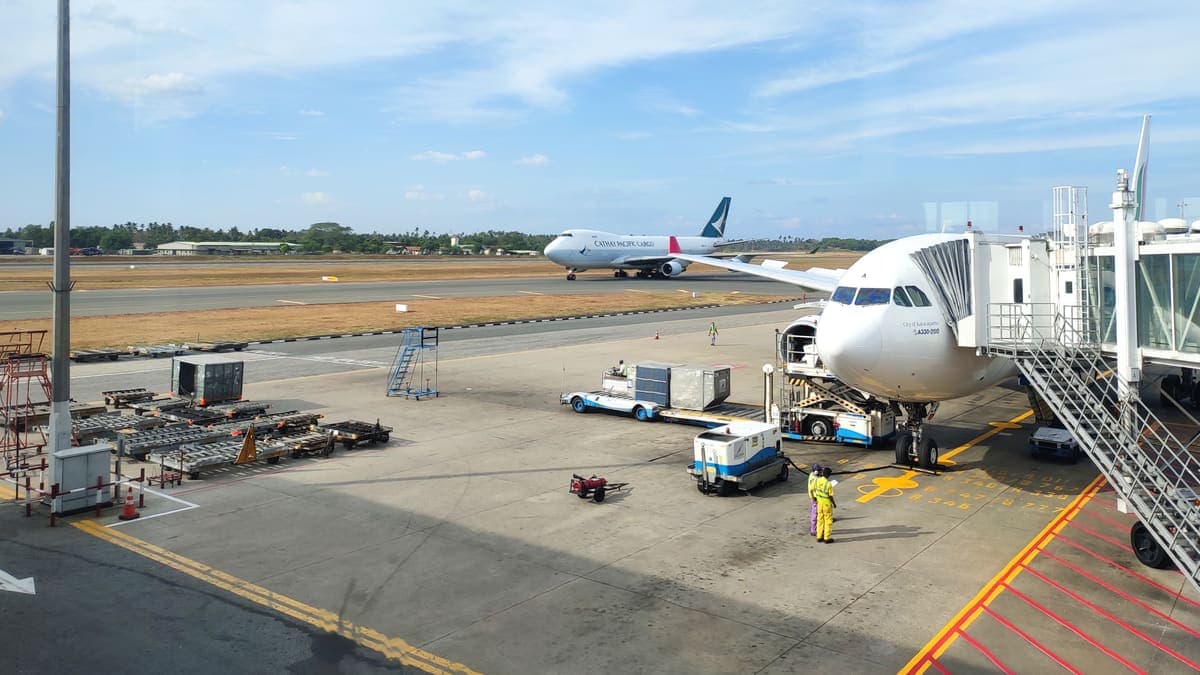
First, a new Sri Lanka-based cargo airline, WEAIR, officially began operations on 6 June 2026. According to the Daily Mirror, the launch was held in Colombo under the patronage of Foreign Affairs, Foreign Employment and Tourism Minister Vijitha Herath, and the airline is backed by Luxembourg-based IOTC Investment. It is starting with a single Boeing 737-800 freighter. Lanka Business Online reported that the company plans to scale capacity and expand its network across South Asia, Southwest Asia and Southeast Asia, with exports, e-commerce and pharmaceuticals named as target segments.
Second, the national carrier's cargo business has been uneven. The Daily FT reported that for the financial year to 31 March 2025, SriLankan Airlines' cargo revenue rose 2%, helped by dynamic pricing, even as group revenue fell. But in the first quarter of 2025/26 (April to June 2025), the Daily Mirror reported cargo revenue of Rs. 7.1 billion, down 13% year on year, while passenger traffic grew strongly. Much of its cargo moves in the holds of its passenger flights, so cargo space is shaped by the passenger schedule.
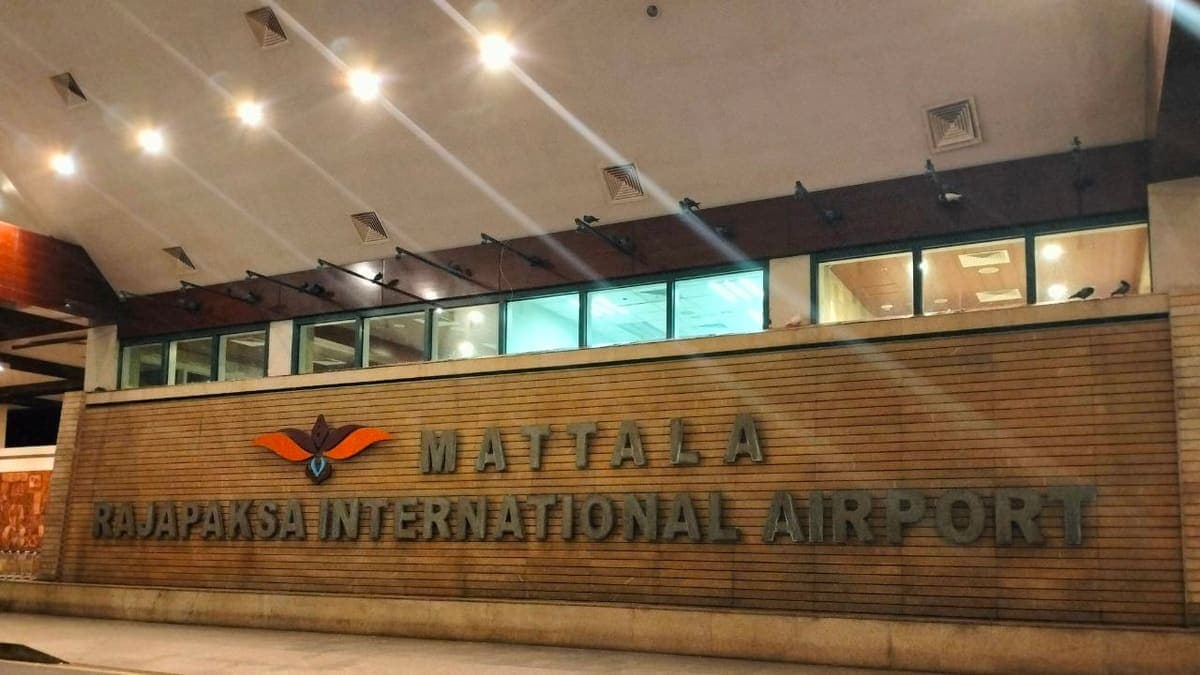
Third, the long-stalled expansion of Bandaranaike International Airport (BIA) is moving again. The Sunday Times reported in July 2026 that JICA had approved the selection of Taisei for the second terminal, after financial proposals were opened in April 2026. That project is mainly about passenger capacity, but any large construction programme at a working airport affects apron space, access roads and the rhythm of the cargo zone.
Why it matters
For exporters of garments, seafood, fresh produce, cut flowers and small high-value goods, the issue is not only price but reliability. When belly capacity is tight, cargo is offloaded in favour of passenger bags, bookings roll to the next flight, and perishables lose shelf life.
- A dedicated freighter adds a different kind of capacity. Main-deck space on a 737-800 freighter suits palletised general cargo and time-sensitive regional shipments better than narrow-body belly holds.
- One aircraft is still one aircraft. A single-freighter operation is exposed to maintenance downtime, and its schedule will be built around a limited set of routes. Treat it as an extra option, not a replacement for established carriers.
- National carrier cargo income matters for capacity decisions. When cargo revenue falls while passenger demand rises, the airline has less reason to protect cargo space on busy flights.
- Airport works can mean temporary disruption. Expect periodic changes to access routes and handling times at Katunayake as construction ramps up.
What you can do
- Spread your bookings. Keep at least two carriers or routings approved for your key lanes, including one freighter option where your cargo profile fits.
- Ask forwarders about main-deck versus belly options. Some cargo that is awkward to fit into belly holds may now be easier to move on a freighter. A good freight forwarder can compare both.
- Check chargeable weight before you quote. Light, bulky cartons are charged on volume. Use the chargeable weight calculator to see what you will actually pay for.
- Build slack into perishable programmes. Agree fallback plans with your buyer for offloads, including cold-room holding at the airport and acceptable delay windows.
- Track shipments actively. Use cargo tracking and ask for flight confirmation, not just booking confirmation, on critical consignments.
- Watch official notices. Airport and Aviation Services (Sri Lanka) and the carriers publish operational changes. Check them before peak export periods, especially while terminal construction is under way.
New capacity is welcome, but the benefit will depend on schedule reliability and route choice. It is worth testing a new carrier on less critical shipments before moving your most time-sensitive cargo.
Sources
- Luxembourg-backed WEAIR Cargo Airline launched in Sri Lanka, Daily Mirror, June 2026
- Sri Lanka's Newest Cargo Carrier 'WEAIR' Launches Operations with Luxembourg Backing, Lanka Business Online, 11 June 2026
- SriLankan Airlines' operating loss widens to Rs. 5.2bn despite passenger boom, Daily Mirror, Invalid Date
- SriLankan Airlines' earnings fall 134% YoY to Rs. 2.7 b loss, Daily FT, Invalid Date
- JICA okays Taisei's selection for second terminal at BIA, The Sunday Times, 26 July 2026
General information, based on the sources above as of 3 September 2026. It is not legal, customs or financial advice: check the official source before you act.
Is this affecting your shipments?
Share your experience or ask others in the community. No account needed.