
Cold chain gaps in Sri Lanka: Dambulla's delayed cold store and new reefer trucks for fish
A Dambulla cold store still fixing its cooling system, Japanese-funded refrigerated trucks for fish and cold-chain talks with Qatar. What shippers of perishables should do.
· 3 min read · Forwarder.lk
What is happening
Sri Lanka loses a large share of its fresh produce and fish between the farm or harbour and the buyer, and three developments over the past year show both the size of the gap and the slow pace of fixing it.
The most visible is the Dambulla Agricultural Cold Storage Complex, a temperature-controlled warehouse built with Indian government assistance. Newswire reported that Indian Prime Minister Narendra Modi inaugurated it remotely on 5 April 2025. By August 2025, according to Newswire, a group of former MPs led by Udaya Gammanpila visited the site and said it had not yet begun operating, had been issued an electricity bill of Rs. 8,409,000, and had its power supply reportedly disconnected over non-payment.
In March 2026 the Ministry of Trade, Commerce, Food Security and Cooperative Development held a meeting on the project chaired by Minister Wasantha Samarasinghe. Newswire reported that the contractors said 99% of construction was finished and that the cooling system was the main outstanding problem, alongside roof leakage and ground-level issues raised by the Central Engineering Consultancy Bureau. The contractors agreed to submit a work plan and asked for six to eight weeks to complete the job, including electrical repairs. We could not find a later public report confirming that the complex is fully operational, so check its status before planning around it.
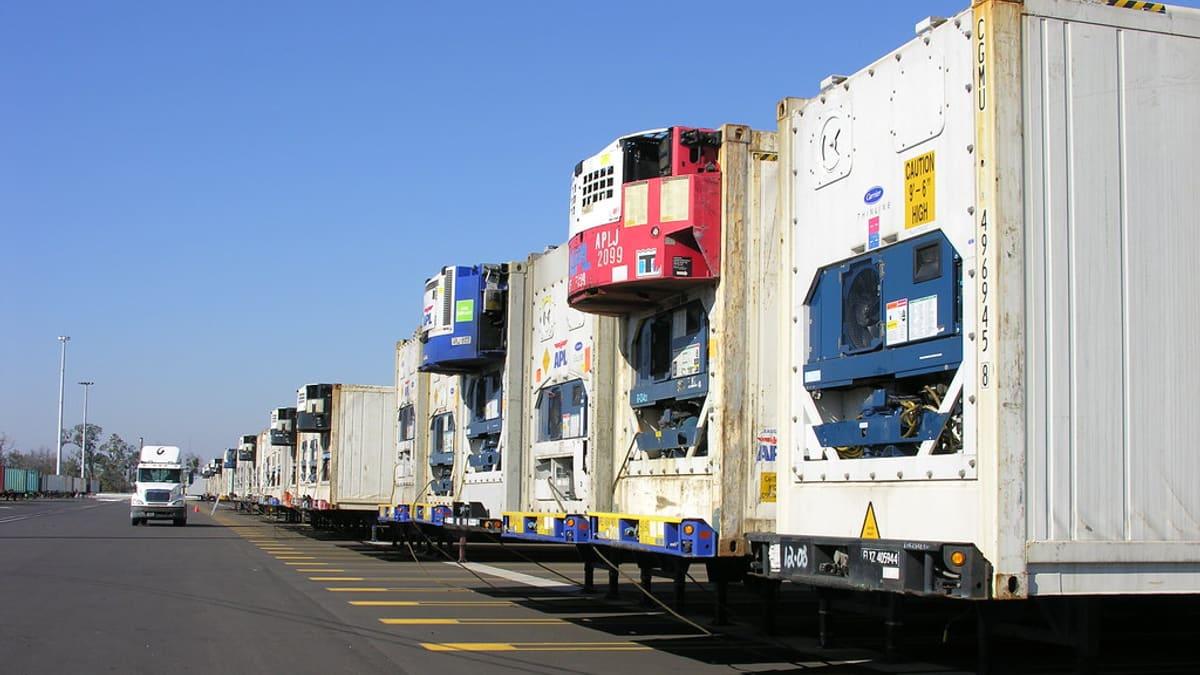
Second, in June 2026 Japan handed six refrigerated trucks to the Ceylon Fisheries Corporation (CFC) under a grant of 200 million yen (about US$1.25 million), Newswire reported. The project also covers three ice-making machines in Jaffna, Mullaitivu and Trincomalee. According to the Japanese Embassy, poor temperature control on the route from the Northern and Eastern Provinces to Colombo contributes to post-harvest fish losses estimated at up to 40%. The CFC will use the trucks on that route.
Third, cold chain is appearing in trade diplomacy. During a visit to Qatar in September 2026, Deputy Foreign Minister Arun Hemachandra discussed cold-chain management, post-harvest technology, storage and logistics with the agri-tech company Argrico, which Newswire said has already invested in Sri Lanka.
Why it matters
- Losses are a cost you already pay. When fish or vegetables spoil in transit, the loss shows up as lower prices at the farm gate and harbour, higher prices for buyers, and rejected export consignments.
- Public facilities are not a plan on their own. The Dambulla experience shows that a building is only useful once the cooling, power supply and operating arrangements are working. Shippers should not assume a public cold store will be available on a given date.
- Long domestic routes are the weak link. The Japanese Embassy's figure relates to the trip from the North and East to Colombo. Many exporters face the same problem on feeder routes to the port and the airport.
- Power is part of the chain. The electricity bill dispute at Dambulla is a reminder that running cold rooms is an energy-heavy business. See our post on electricity tariffs for the wider cost picture.
What you can do
- Map your temperature breaks. List every handover from harvest or landing to loading on the ship or aircraft, and note where goods sit without cooling. Most losses happen at these gaps.
- Use temperature loggers. Simple data loggers in each consignment give you evidence when a claim arises with a transporter, warehouse or buyer.
- Agree temperature terms in writing. Contracts with truckers and cold stores should state the set temperature, pre-cooling of the vehicle or room, and what happens if power fails.
- Plan reefer capacity early. Book refrigerated trucks and reefer containers ahead of peak harvests and festive seasons. Compare transporters through our freight forwarders listing and estimate trucking costs with the container transport tool.
- Keep an eye on public projects. If you trade vegetables or fruit through Dambulla, ask the Ministry of Trade or the Food Commissioner's Department about access and charges once the complex opens. Fish traders in the North and East can ask the CFC how its new refrigerated trucks will be scheduled.
- Talk to your association. Industry bodies listed on our associations page can collect members' cold-chain problems and raise them with government, which carries more weight than one company alone.
Sources
- Dambulla Cold Storage Project contractors request 6–8 weeks for completion, Newswire, 19 March 2026
- Power cut at Modi-inaugurated Dambulla cold storage, Newswire, 15 August 2025
- Japan donates six refrigerated trucks to reduce post-harvest fish losses in Sri Lanka, Newswire, 10 June 2026
- Sri Lanka, Qatar explore expanded cooperation in agri-tech and food production, Newswire, 25 September 2026
General information, based on the sources above as of 26 September 2026. It is not legal, customs or financial advice: check the official source before you act.
Is this affecting your shipments?
Share your experience or ask others in the community. No account needed.