
Why most import containers are still opened, and the push for risk-based release
More than 65% of imported containers are physically inspected though most prove compliant, industry figures show. Customs is moving towards risk-based release. What it means for importers.
· 2 min read · Forwarder.lk
What is happening
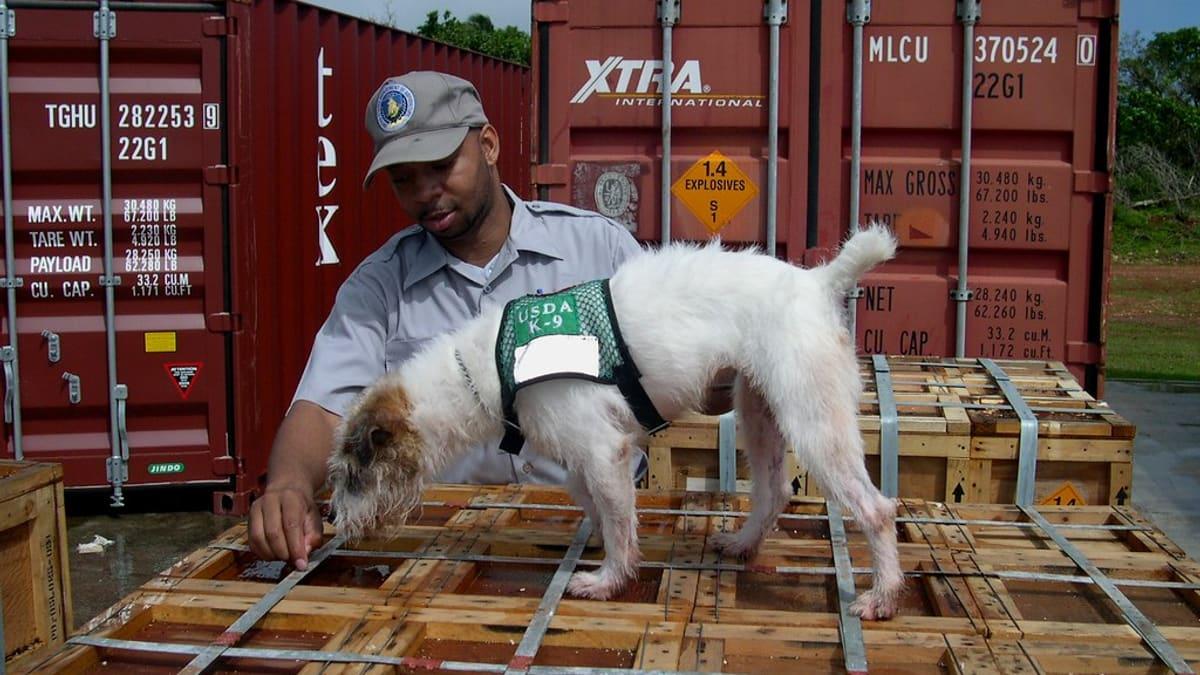
Physical examination of import containers has become one of the main arguments between Sri Lanka's trade and its Customs service.
In July 2026 the Daily Mirror reported industry figures showing that more than 65% of imported containers undergo physical inspection, yet 88% of those inspected turn out to be fully compliant. The same report said many advanced customs administrations inspect only about 20% of import containers, relying instead on intelligence, risk analysis and post-clearance audits. It also cited a 46.3% rise in container volumes at Colombo between 2023 and 2025, to 641,052 TEUs in 2025, and said the issue had reached a parliamentary select committee.
Customs appears to accept the direction of travel. Lanka News Web reported in September 2026 that Customs is aiming for about 80% of low-risk consignments to move through a green channel without routine human intervention, as part of a digital push that includes mandatory paperless declarations from 1 October 2026.
How we got here
The pressure built during the container backlog of early 2025. After a meeting with the President on 12 January 2025, Customs agreed to work around the clock, a five-acre site at Bloemendhal was allocated for containers held for investigation, and land at Peliyagoda was set aside for parked container trucks, according to Newswire. Daily FT reported at the time that Customs could process about 500 containers a day, but actual clearance was lower because fewer agents and lorry drivers were turning up.
That episode also showed the risks of cutting checks in a hurry. A Select Committee of Parliament was appointed to look into the release of 323 containers from the Port of Colombo without the mandatory physical inspection. Parliament's website lists Harshana Nanayakkara MP as chair, with the committee's first meeting on 21 January 2026. The lesson for many in the trade is that the answer is better targeting, not blanket releases.
Why it matters
Every container sent to an examination yard adds trucking, handling and waiting time. Industry groups argue those costs push up demurrage and eventually consumer prices, and weaken Colombo's pitch as a logistics hub.
For compliant importers, a well-run risk system should mean fewer inspections over time. For others, it will mean closer attention, since risk engines use declared values, HS codes, origin and past history to decide which cargo to stop.
What you can do
- Keep declarations accurate and consistent. Wrong HS codes, vague descriptions and values that do not match documents are classic risk triggers. Our HS code finder can help with first checks.
- Consider applying for Authorized Economic Operator status, which Customs says brings fewer physical inspections based on risk assessment.
- When cargo is selected, have documents, samples and a responsible person ready at the yard, so the examination can finish quickly.
- Budget for examination days. Use our container transport tool to estimate extra trucking to and from yards.
- Raise systemic problems through your chamber or association rather than one-off complaints. See our associations page.
Targets and procedures are changing, so check current guidance from Sri Lanka Customs.
Sources
- Calls grow for customs reforms to speed up import container clearance, Daily Mirror, 25 July 2026
- Customs' Digital Revolution Targets Sri Lanka's Hidden Revenue Leakages, Lanka News Web, 25 September 2026
- Customs clearance of Imported items : Key decisions taken, Newswire, 12 January 2025
- Sri Lanka Customs rolls out initiative to ease container clearance delays at Colombo port, Daily FT, 15 January 2025
- Select Committee of Parliament to look into and Report to Parliament on the release of 323 Containers from the Port of Colombo without undergoing mandatory physical inspection, Parliament of Sri Lanka, January 2026
General information, based on the sources above as of 8 September 2026. It is not legal, customs or financial advice: check the official source before you act.
Is this affecting your shipments?
Share your experience or ask others in the community. No account needed.