
Colombo port congestion in 2026: yard pressure, berthing delays and what to do
Diverted Gulf cargo pushed Colombo's yards and berths to their limits in August and September 2026. Here is what happened, how it affects local shippers and how to plan around it.
· 3 min read · Forwarder.lk
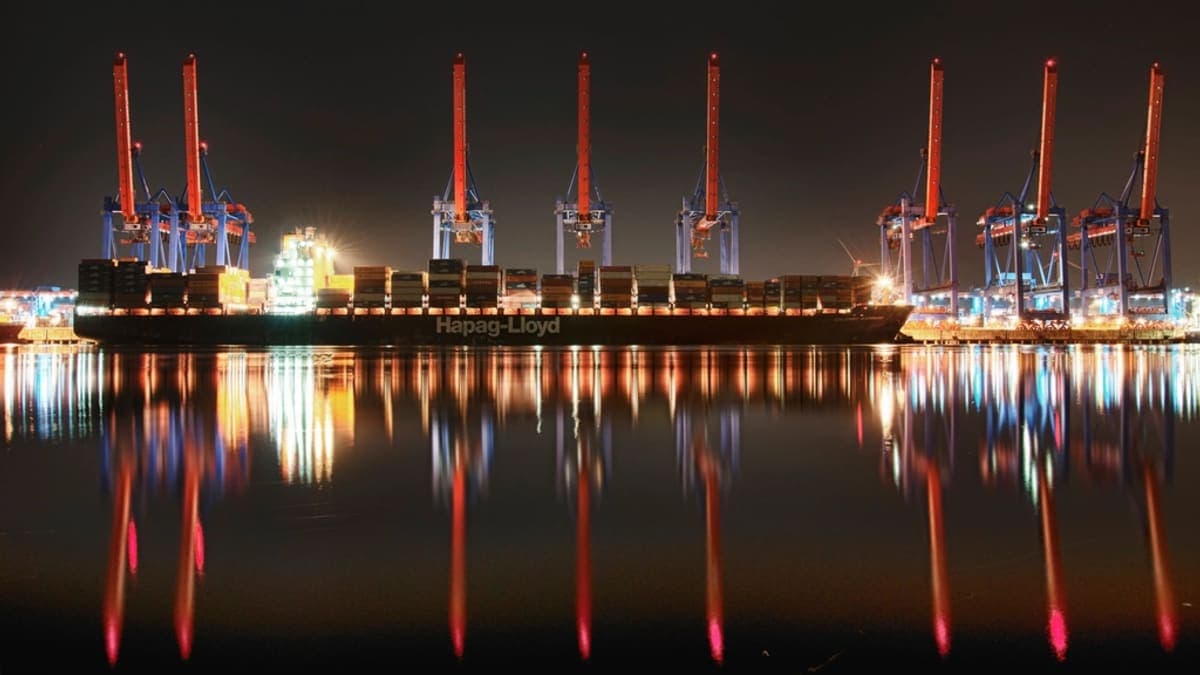
What is happening
The Port of Colombo has had one of its busiest years on record, and the strain showed in late August and early September 2026. According to the Sunday Times (6 September), ships were waiting outside the harbour for around three to four days, some terminals were seeing turnaround times of close to six days, and the Exporters Association of Sri Lanka chairman, Nalaka Ratnayaka, said yard utilisation had risen to as much as 130 percent.
Maritime Gateway reported on 9 September that berthing delays of 24 to 36 hours had been recorded in late August, and that congestion was expected to last about two more weeks. The pressure was concentrated at the two terminals that can take the largest ships: Colombo International Container Terminals (CICT) and, to a lesser extent, the Colombo West International Terminal (CWIT). The same report put the backlog of inter-terminal transfers at about 35,000 TEU, and noted that two new tugboats ordered by the port will not arrive until 2027.
The main driver is cargo that would normally move through Gulf hubs. With the Strait of Hormuz disrupted since late February 2026, shipping lines have moved transshipment to Colombo. Throughput reached 776,300 TEU in August, up 4.7 percent year on year, and transshipment made up 82.3 percent of the total, according to Maritime Gateway. Strong monsoon winds added to the problem by disrupting berthing.
There are signs of easing. Portcast's weekly data for 20 to 26 September put Colombo in its low congestion category, with a median vessel waiting time of 0.63 days, down from 1.79 days the week before. Weekly figures move quickly, so this is a snapshot rather than a trend.
Why it matters
Transshipment boxes are good business for the port, but they compete for the same berths, cranes and yard space as Sri Lanka's own imports and exports. Domestic cargo was only about 113,000 TEU in July, a small share of a port that handled 774,513 TEU that month.
For local traders the costs show up in several ways:
- Missed connections. An export box that misses its planned mother vessel can wait days for the next one.
- Longer and less predictable transit times, which matter for buyers with fixed delivery windows.
- Extra storage and trucking time. Container hauliers raised rates by 5 percent from 1 June 2026 after a diesel price rise, following a 20 percent increase in March, according to Xinhua.
- Competitiveness. Mr Ratnayaka told the Sunday Times that exporters are absorbing higher freight costs to keep customers, and warned that buyers may look for cheaper sources if delays persist.
What you can do
- Build slack into delivery dates. Where your contracts allow, quote delivery windows that include a few extra days at Colombo during peak periods.
- Ask your forwarder which terminal your vessel uses. Delays have differed between terminals, and your agent can tell you where the queue is.
- Get export cargo ready early, but not too early. Laden export boxes have limited free storage at the port, so time your gate-in with the confirmed vessel cut-off rather than the original schedule.
- Track your boxes yourself. Use the carrier's tracking or our cargo tracking tool to spot a missed connection early.
- Budget for inland costs. Check current haulage prices with our container transport cost tool, as waiting time at terminal gates adds to trucking bills.
- Raise problems through your association. Trade bodies such as the Exporters Association and the Shippers' Council are in talks with the authorities; you can find them on our associations page.
Conditions change week by week. Check the latest notices from the Sri Lanka Ports Authority and your shipping line before you commit to dates.
Sources
- Colombo Port brimming with congestion, delays, The Sunday Times (Sri Lanka), 6 September 2026
- Colombo Port congestion expected to persist for two more weeks, Maritime Gateway, 9 September 2026
- Colombo Port sees transshipment share climb to 82% as weather risks threaten congestion, Maritime Gateway, 24 September 2026
- Colombo Port - Live Port Congestion Data, Portcast, 27 September 2026
- Sri Lanka container transport rates rise 5 pct after fuel price revision, Xinhua, 1 June 2026
General information, based on the sources above as of 28 September 2026. It is not legal, customs or financial advice: check the official source before you act.
Is this affecting your shipments?
Share your experience or ask others in the community. No account needed.