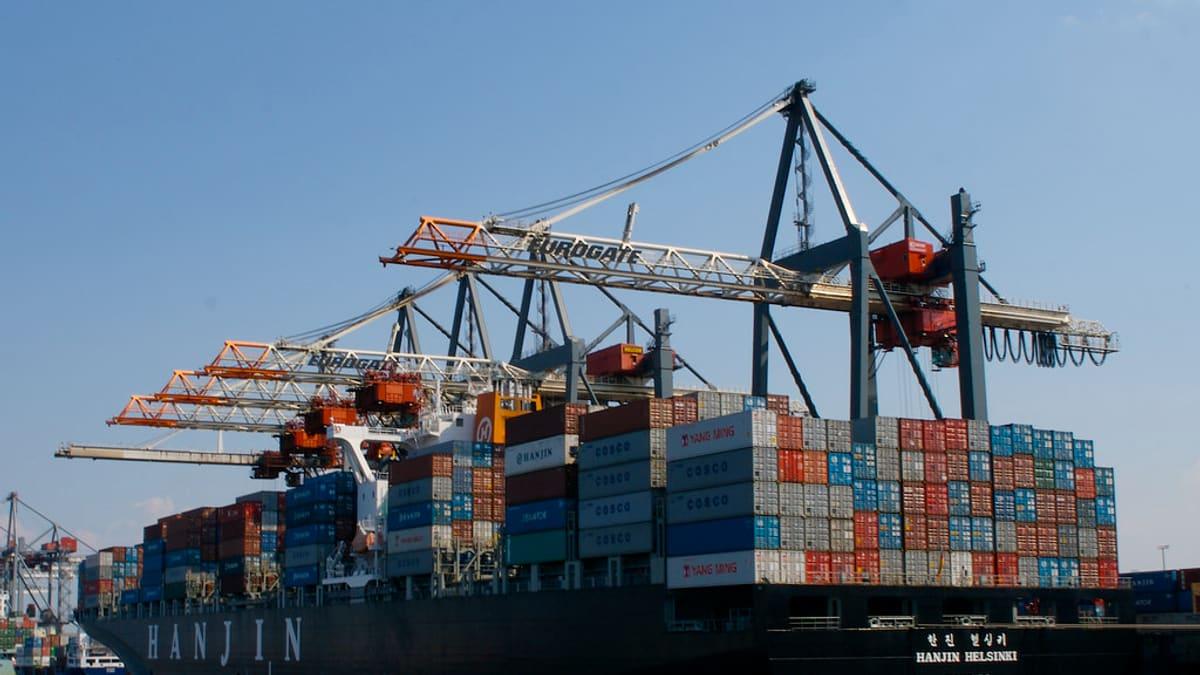
Drewry's World Container Index rose 2% to US$4,585 per 40ft on 22 October, up from US$4,485, with eight Asia-Europe blank sailings planned and only two ships entering the Gulf in Week 42.
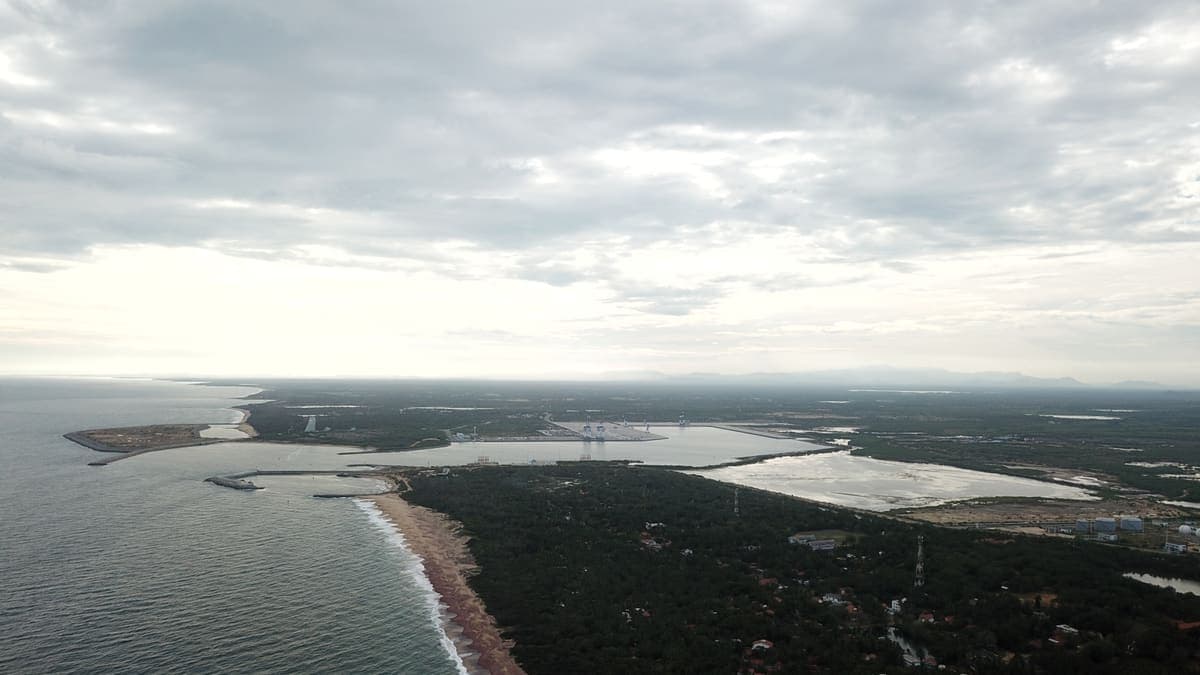
HIPG says a return to the Suez route could help Hambantota as it prepares 2 million TEUs of capacity in Q1 2027, has committed US$149 million to equipment and plans gateway cargo with an inspection centre.
The partners behind the South Asia Commercial and Logistics Hub in the Port of Colombo have ended the project. The SLPA will pay US$21.9 million within 30 days, the Daily FT and Sunday Times report.
The US Embassy says US$17 million will help SLPA build a Maritime Single Window and a Port Community System at Colombo. A partner will be chosen by open tender; no go-live date was given.
Drewry's index rose on 15 October as Shanghai-Rotterdam gained 6%. Carriers seek higher Asia-Europe FAK rates from 19 October, but Drewry says extra Suez capacity makes them uncertain. Intra-Asia rates eased 3%.
The President said Cabinet will keep state ownership of Colombo's East Container Terminal but sell shares in a management company. He also gave port, bunkering and Customs law plans.
Drewry now expects Suez transits to reach 80% of pre-diversion levels by February 2027, but war-risk costs narrow the saving and some cargo insurers do not cover ad hoc Suez routings.
Sea-Intelligence data released on 8 October shows ports on the edges of the Middle East conflicts, including Duqm, Khor Fakkan and Hambantota, gained liner connectivity in Q3 2026.
Hambantota International Port has handled 1,002,232 TEUs since new cranes arrived in 2025, and is investing US$108 million in six quay cranes and 16 RTGs due by February 2027.
Singapore VLSFO reached US$890 a tonne on 6 October, well above the US$752 average behind Maersk's Q4 fuel fee. What Q4 surcharges mean for Sri Lankan cargo.
Diverted Gulf cargo pushed Colombo's yards and berths to their limits in August and September 2026. Here is what happened, how it affects local shippers and how to plan around it.
Drewry's index shows Asia–Europe rates easing in September 2026 while transpacific rates stay high. What the swings mean for Sri Lankan exporters and how to manage them.
The Adani-led West terminal is taking a fifth of Colombo's volumes and the state-run East terminal is due to be fully ready by end-2026. What the extra capacity means for importers and exporters.
Clearance delays, congestion and rerouted cargo have left Sri Lankan importers facing large demurrage and detention bills in 2025-26. What the charges are, recent disputes and practical steps.
The Sri Lanka Ports Authority has published its 2026 tariff. With yards congested, here is how free storage time and daily rent work for import and export containers, and how to avoid paying more.
Carriers have layered war risk, peak season and emergency surcharges on to Sri Lankan exports in 2026. A guide to the main charges announced and how to keep them under control.
The 2026 Middle East conflict closed the Strait of Hormuz to most shipping and sent Gulf transshipment to Colombo. How that has lifted port volumes but raised costs for local exporters.
Since June 2026 exporters have faced tight vessel space, rolled bookings and container imbalance fees as ships shifted to the transpacific and Gulf routes were disrupted. What is behind it and how to cope.
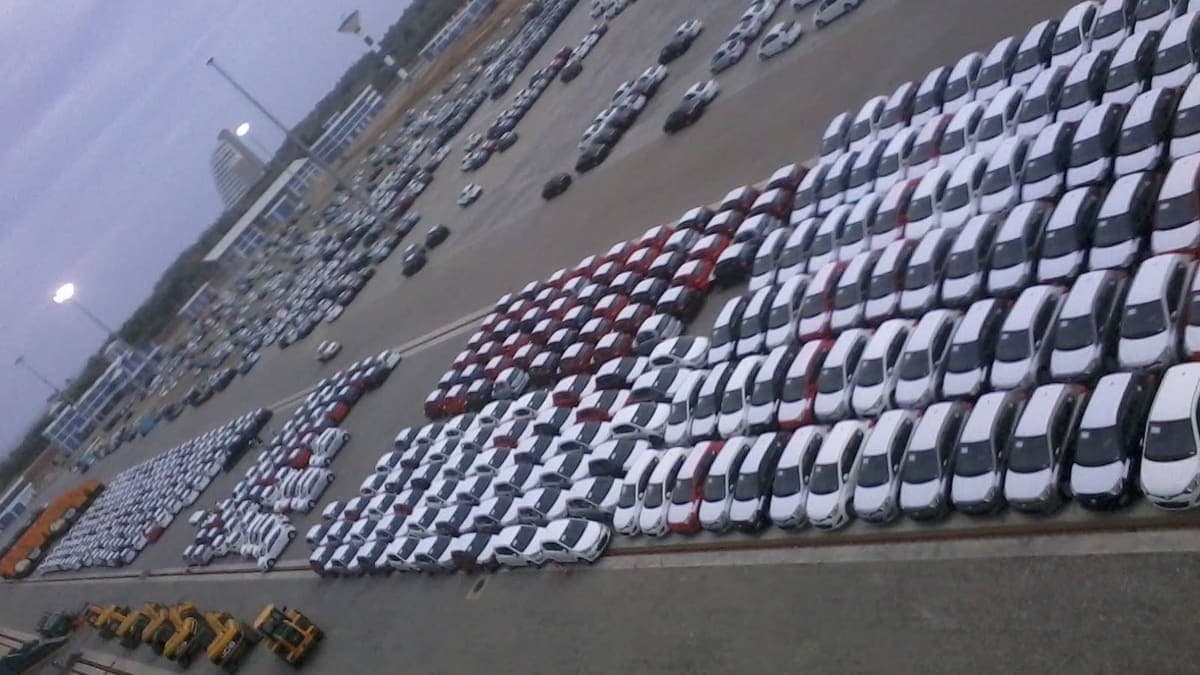
Hambantota set new records for vehicles and containers in June 2026 as lines looked for alternatives to Gulf hubs. What the port now offers, its storage rules, and where the Sinopec refinery stands.
India, Sri Lanka and the UAE are pushing the Trincomalee energy hub while the SLPA says new port investment there must follow real cargo demand. Where plans stand in 2026.