
CWIT and ECT: what Colombo's new container terminals mean for shippers
The Adani-led West terminal is taking a fifth of Colombo's volumes and the state-run East terminal is due to be fully ready by end-2026. What the extra capacity means for importers and exporters.
· 2 min read · Forwarder.lk
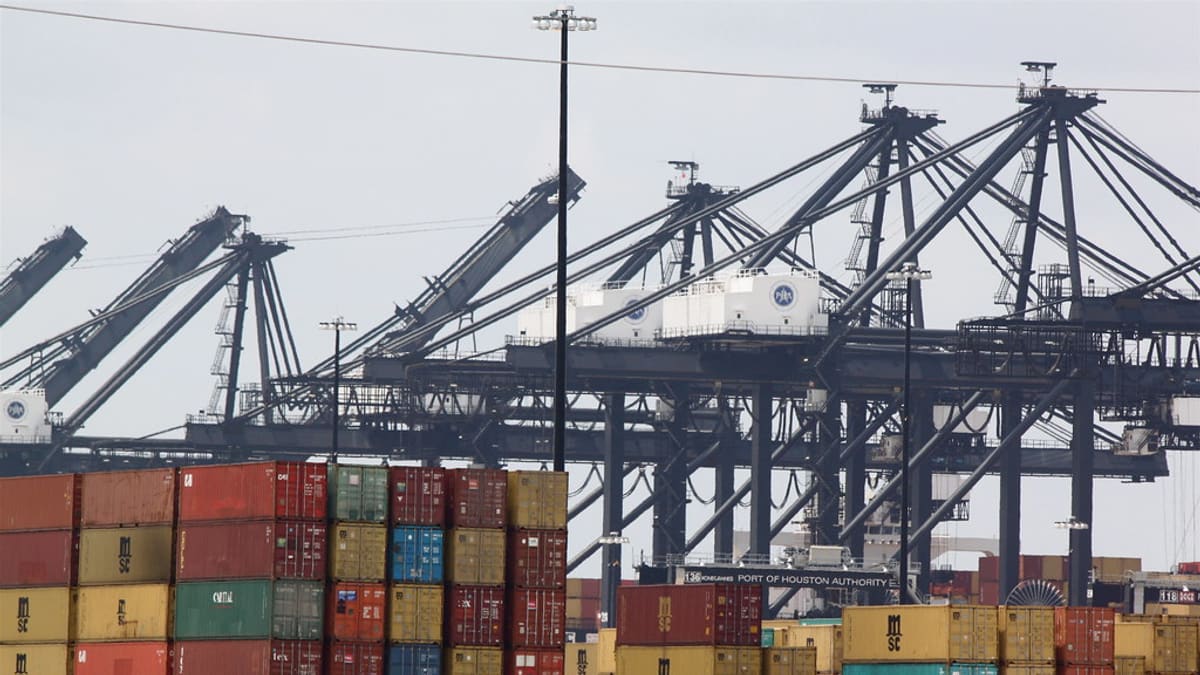
What is happening
Colombo is adding two large container terminals at a time when it badly needs them.
The Colombo West International Terminal (CWIT) began operations on 7 April 2025. It is run by a consortium of Adani Ports, John Keells Holdings and the Sri Lanka Ports Authority (SLPA) under a 35-year build, operate and transfer agreement. Adani describes it as the first fully automated deep-water terminal in Colombo, with a 1,400-metre quay and 20 metres of depth. In September 2025 Maritime Gateway reported John Keells' transport head, Zafir Hashim, as saying that the second and final phase was running ahead of schedule and should finish by late 2026, doubling capacity to 3.2 million TEU a year.
The terminal is filling fast. Maritime Gateway reported on 24 September 2026 that CWIT handled 171,875 TEU in August, a 22.1 percent share of the port's throughput, up from 13.8 percent.
The East Container Terminal (ECT) is being developed by the SLPA itself. The SLPA commissioned a third berth in early 2026, according to The Maritime Standard, which reported that the terminal handled more than 500,000 TEU in 2025 despite unfinished infrastructure. In May 2026 Deputy Minister Janitha Ruwan Kodithuwakku told The Morning that the ECT was 70 to 80 percent complete, was in testing and commissioning, and was expected to be fully operational by the end of 2026, adding about three million TEU of capacity.
Why it matters
Colombo handled a record 8.3 million TEU in 2025, and the SLPA chairman, Dr Parakrama Dissanayake, told the Daily FT in May 2026 that demand could reach 9.3 million TEU in 2026 against a current capacity of about 10 million. That leaves little headroom, which is why diverted Gulf cargo pushed the port into congestion in August and September.
For Sri Lankan shippers, more deep-water berths should mean:
- Fewer delays for mother vessels, as the largest ships no longer queue for a small number of berths.
- Better connections for export boxes that are transshipped at Colombo.
- More competition between terminals, which Maritime Gateway says is already changing how volumes are split between CICT, CWIT and the state-run terminals.
There is a catch. Most of the new capacity is built for transshipment. Domestic importers and exporters will still depend on gate processes, Customs examination, inter-terminal transfers and road access, which the new quays do not fix on their own.
What you can do
- Know your terminal. Ask your shipping line or forwarder which terminal your service uses. Charges, cut-offs and gate procedures differ between SLPA terminals and privately run ones.
- Check each terminal's tariff. SLPA publishes its own tariff; private terminals set their own charges. Ask your agent for the relevant schedule before you quote a customer.
- Watch for service changes. As capacity opens, carriers may move services between terminals. Confirm the terminal on each booking.
- Plan inland moves. If your cargo moves between terminals or to an off-dock yard, check haulage costs with our container transport tool.
- Use a specialist. A good forwarder will know which terminal is running smoothly this week. Browse freight forwarders on Forwarder.lk.
Timelines for new terminals often slip. Treat the end-2026 dates as targets and check SLPA announcements for confirmed opening dates.
Sources
- Adani's Colombo Terminal Commences Operations, Adani Group, 7 April 2025
- Colombo West International Terminal captures 22.1% market share as throughput jumps 68.1% in August, Maritime Gateway, 24 September 2026
- Adani to double Colombo terminal capacity ahead of schedule despite exiting US funding, Maritime Gateway, 18 September 2025
- ECT to be operational by year-end, The Morning, 8 May 2026
- SLPA eyes $ 2 b port investments to ease Colombo capacity crunch, Daily FT, 29 May 2026
General information, based on the sources above as of 25 September 2026. It is not legal, customs or financial advice: check the official source before you act.
Is this affecting your shipments?
Share your experience or ask others in the community. No account needed.