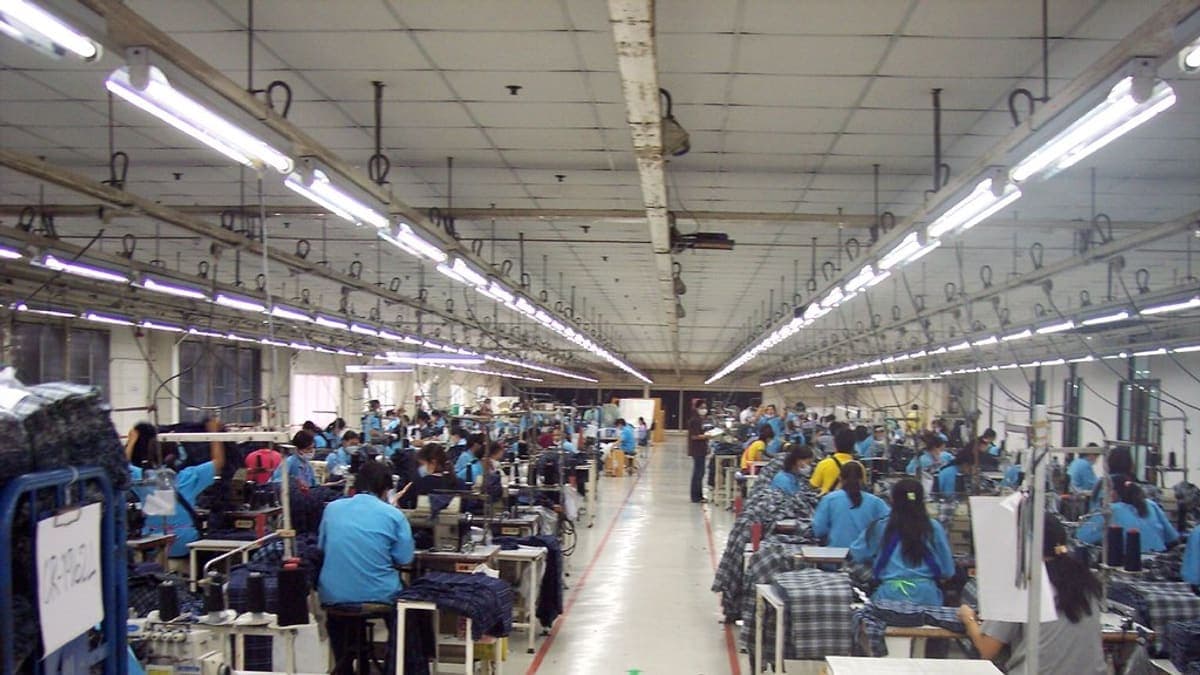
Rubber products exports grow in 2026 while the raw rubber base keeps shrinking
Rubber-based exports rose 4.92% to US$579.55m in January to July 2026, led by gloves and seals, but local rubber land and yields have fallen sharply.
· 3 min read · Forwarder.lk
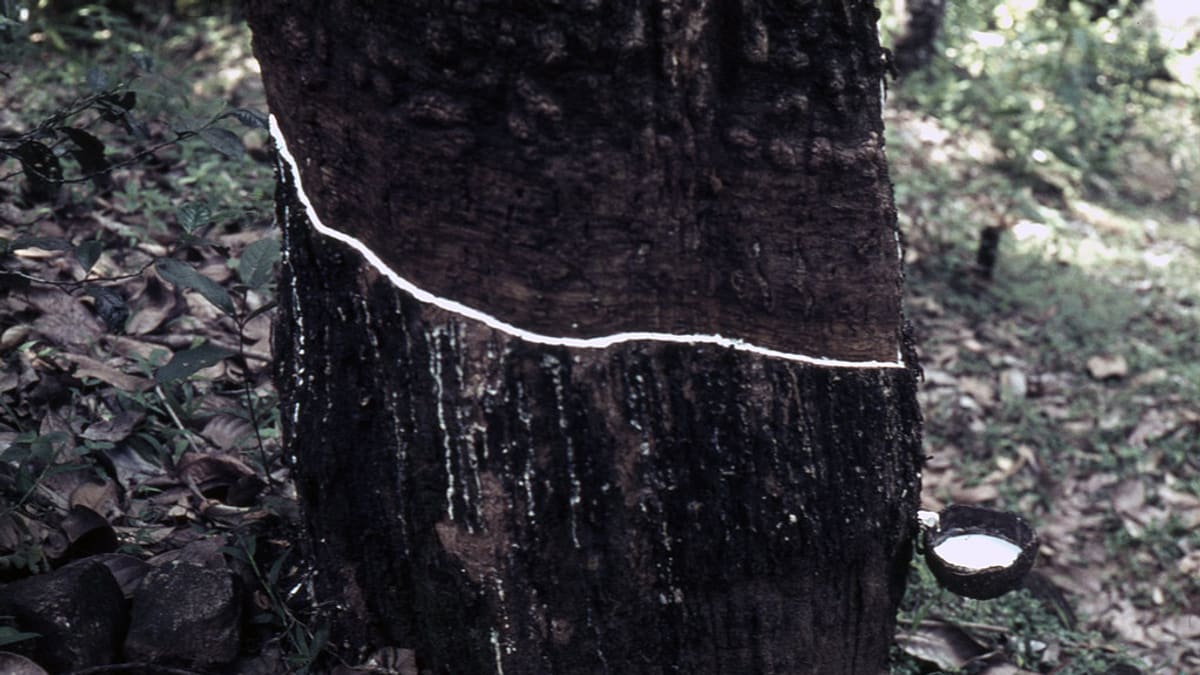
What is happening
Rubber-based products are one of the steadier parts of Sri Lanka's export basket this year. According to the Export Development Board (EDB), the sector earned US$579.55 million in January to July 2026, up 4.92% on the same period of 2025. In July alone, rubber and rubber-based exports rose 3.17% to US$87.24 million. Industrial and surgical gloves grew 19.01% that month, and gaskets, washers and seals rose 47.56%.
The government has also marked the sector out for support. The National Export Development Plan 2026 to 2030, launched on 16 June 2026, lists rubber-based industries as one of eight priority sectors, alongside auto components, spices, processed food and electronics.
Behind the export growth, though, the raw material base is weakening. A Sunday Times Business Times analysis in April 2026, marking 150 years of rubber in Sri Lanka, reported that land under rubber fell from 133,000 hectares in 2014 to 84,000 hectares in 2024. Production in 2024 was about 69,200 tonnes. The paper cited Emeritus Professor Asoka Nugawela, a former director of the Rubber Research Institute, as saying yields on major plantation groups roughly halved between 2020 and 2025. It pointed to ageing trees, disease, higher wage and agrochemical costs, and a lack of replanting.
Sri Lanka still holds strong niches. The same article notes it remains the largest exporter of latex crepe rubber and industrial solid tyres.
Why it matters
- Manufacturers depend more on imported rubber. If local natural rubber keeps shrinking, factories making tyres, gloves and moulded goods will rely more on imported natural and synthetic rubber. That means more inbound shipments and more exposure to freight costs and exchange rates.
- Value added is where growth is. The strongest growth is in finished goods such as gloves and engineered seals, not raw rubber. These are often shipped in regular FCL loads to buyers in Europe and the US.
- Tariffs apply beyond apparel. US tariff changes in 2026, including the 10% Section 301 rate on Sri Lanka, apply to rubber products too. Exporters to the US should check what their buyers now pay.
- Priority status could bring support. Being named in the export plan may bring targeted help on standards, finance and market promotion, but details are still emerging.
What you can do
- Check duty on imported inputs. If you import natural or synthetic rubber, chemicals or moulds, confirm the current duty and any concessions under export schemes. Start with our HS code finder and confirm with Sri Lanka Customs or the Board of Investment if you are in a zone.
- Lock in inbound and outbound logistics together. Many rubber goods makers import raw material and export finished goods through Colombo. Discuss round-trip planning with your freight forwarder and compare trucking costs with our container transport tool.
- Load heavy goods efficiently. Tyres and solid tyres are heavy and awkward. Use our pallet loading and CBM calculators to plan loads within weight limits.
- Engage with the export plan. Follow EDB announcements on the rubber sector under the National Export Development Plan and join industry consultations through bodies listed on our associations page.
- Watch raw rubber supply. Colombo rubber auction prices and Rubber Development Department updates give early signals of local supply problems.
For official figures and support schemes, check the EDB and the Ministry of Plantation directly.
Sources
- Sri Lanka's Exports Surpass US$ 10 Billion in First Seven Months of 2026, Sri Lanka Export Development Board, 31 August 2026
- What ails Sri Lanka's rubber industry?, The Sunday Times (Business Times), 26 April 2026
- Sri Lanka Launches National Export Development Plan 2026 - 2030, Sri Lanka Export Development Board, 16 June 2026
- US tariffs: Sri Lanka secures lower US tariff, The Morning, 26 July 2026
General information, based on the sources above as of 15 September 2026. It is not legal, customs or financial advice: check the official source before you act.
Is this affecting your shipments?
Share your experience or ask others in the community. No account needed.