Apparel exports in 2026: a 10% US tariff, falling August orders and what comes next
Sri Lanka secured a 10% US Section 301 tariff in July 2026, but apparel earnings fell 8.4% in August and are down 6.76% for the year so far.
· 3 min read · Forwarder.lk
What is happening
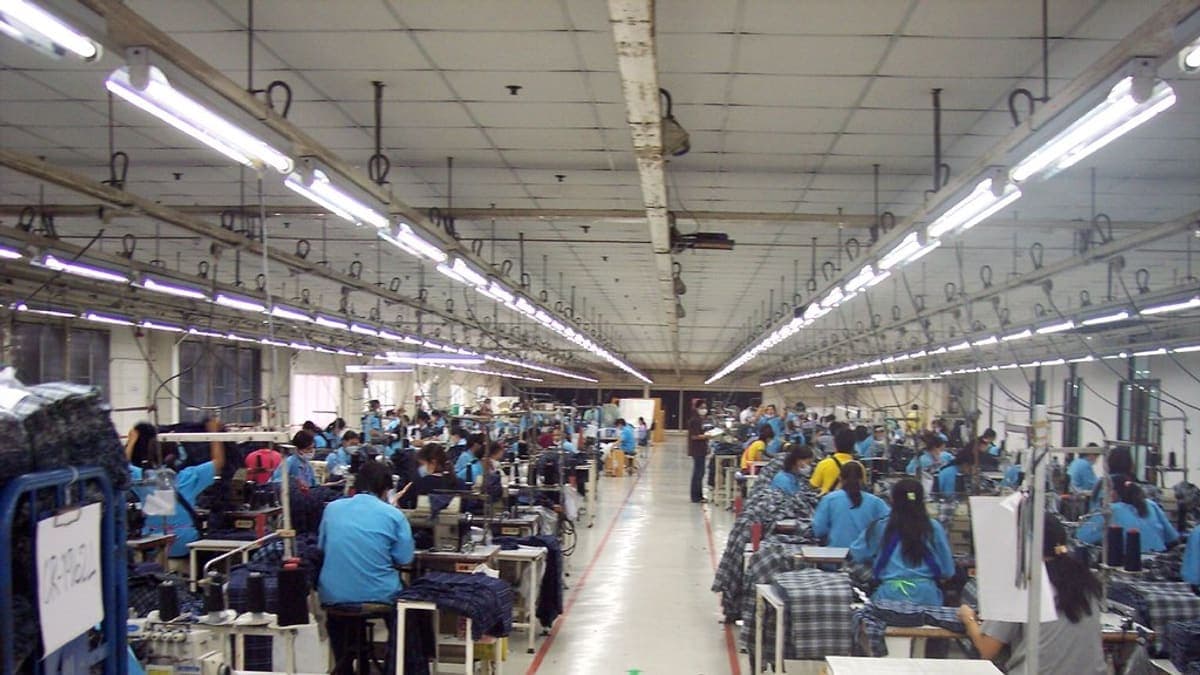
Apparel remains Sri Lanka's largest merchandise export, but 2026 has been a difficult year. According to the Export Development Board (EDB), apparel and textile earnings fell 8.4% year on year to US$464.27 million in August 2026. Shipments to the United States fell 15.96% and to the United Kingdom 11.79%. For January to August, the sector earned US$3,344 million, down 6.76% on the same period of 2025.
The picture has not been one-way. In May, apparel exports rose 7.96% to US$394.14 million, with US shipments up 15.36%, according to Global Textile Times, which cited industry data. But the months since have not held that recovery.
The biggest policy question of the year has been US tariffs. The Morning reports that the US imposed a 44% rate on Sri Lanka on 2 April 2025, later reduced to 20%. From February 2026, a temporary 10% rate applied to all countries until 24 July. The US then opened Section 301 investigations in March 2026 into 60 economies over whether they ban imports of goods made with forced labour. A June determination had placed Sri Lanka in the higher 12.5% band.
Sri Lanka responded with a gazette, issued by President Anura Kumara Dissanayake and effective from 10 July 2026, banning imports of goods made with forced labour. According to the Tamil Guardian and The Morning, Sri Lanka was then placed in the 10% band, alongside competitors such as Bangladesh, Cambodia, India and Pakistan, while other economies face 12.5%. The Morning quotes JAAF Chairman Felix A. Fernando describing the outcome as favourable, and reports that Ambassador Mahinda Samarasinghe cautioned against complacency.
Why it matters
- The US is the biggest single buyer. The Tamil Guardian reports that the US takes close to 40% of Sri Lanka's garment exports. A double-digit fall in US shipments in August is a warning sign, whatever the tariff band.
- Parity, not advantage. The 10% rate removes the fear of being priced out against Bangladesh or Cambodia, but it does not give Sri Lanka an edge. Buyers will still decide on price, speed and compliance.
- Factory changes affect suppliers and transport. In February 2026, MAS Holdings said it would close its Methliya cut-and-sew plant in Thulhiriya, affecting about 2,200 workers, and repurpose it for knitting, dyeing and finishing, according to Sourcing Journal. The company said workers were offered transfers or compensation. The Tamil Guardian reported that opposition leader Sajith Premadasa warned more jobs could be at risk. Changes of this kind shift where fabric, trims and finished goods move, which matters to trucking, warehousing and forwarding firms.
- Compliance is now part of market access. The forced labour import ban shows that labour and supply chain rules can directly change a tariff rate.
What you can do
- Check your tariff exposure line by line. Confirm the duty your US buyer pays on each HS code, including the Section 301 layer. Our HS code finder is a starting point for Sri Lankan codes; your buyer's customs broker should confirm US treatment.
- Keep supply chain records ready. Buyers are likely to ask for proof of origin and labour standards on fabric and trims. Keep supplier declarations and audit reports in order.
- Watch the monthly EDB release. EDB publishes sector and market figures around the third week of each month. Use them to spot whether falls are market-wide or specific to your customers.
- Plan freight for smaller, more frequent orders. When buyers order cautiously, LCL and air shipments often increase. Use our CBM calculator and chargeable weight tool to compare options, and talk to freight forwarders early about peak season space.
- Diversify where you can. EDB data shows markets such as India and Türkiye growing strongly for Sri Lankan goods overall in 2026, even if apparel demand there is different.
Tariff rules can change quickly. Check the latest US Federal Register notices and advice from JAAF or the Department of Commerce before committing to prices.
Sources
- Sri Lanka's Exports Surpass US$ 12 Bn in First Eight Months of 2026, Sri Lanka Export Development Board, 24 September 2026
- US tariffs: Sri Lanka secures lower US tariff, The Morning, 26 July 2026
- US imposes 10% tariff on Sri Lanka after last-minute forced labour ban, Tamil Guardian, 24 July 2026
- MAS Holdings Shuts Sri Lankan Factory in 'Strategic Pivot,' Affecting 2,200 Workers, Sourcing Journal (via Yahoo Finance), 25 February 2026
- Sri Lanka apparel exports rise 7.96% amid US tariff review, Global Textile Times, June 2026
General information, based on the sources above as of 26 September 2026. It is not legal, customs or financial advice: check the official source before you act.
Is this affecting your shipments?
Share your experience or ask others in the community. No account needed.