Electricity tariffs in 2026: what two increases mean for warehouses and cold stores
Tariffs rose from 1 April and again by 18% for larger users from 11 May 2026. With the Q3 rates held, here is what cold-chain and warehouse operators should plan for.
· 2 min read · Forwarder.lk
What is happening
Electricity costs for businesses have risen twice this year.
- 1 April 2026. The Public Utilities Commission of Sri Lanka (PUCSL) approved a revision for the second quarter. Onlanka reported that tariffs rose by 8.7% for the industrial category, 8% for general purpose and household users overall, and 14.4% for government institutions. The Ceylon Electricity Board (CEB) had asked for 13.56%.
- 11 May 2026. After an extraordinary review, the PUCSL approved a further 18% increase for the rest of the second quarter and all of the third quarter. The Daily FT reported that it applies to large industries, general purpose users, hotels above set limits, and households using more than 180 units a month. Small and medium enterprises in the first industrial and hotel sub-categories, and households under 180 units, were protected. The Commission said about 95% of users would see no rise. It cited higher generation costs from fuel prices and a revenue shortfall of about Rs. 38 billion at the National System Operator.
In August the PUCSL decided not to change tariffs again for the third quarter. The Daily FT reported that supply costs had risen by only 0.3%, or Rs. 417 million, and that a surplus carried forward and a government subsidy covered the gap. The Rs. 15 billion government support for the system operator runs until 30 September 2026, according to the Daily FT.
Why it matters
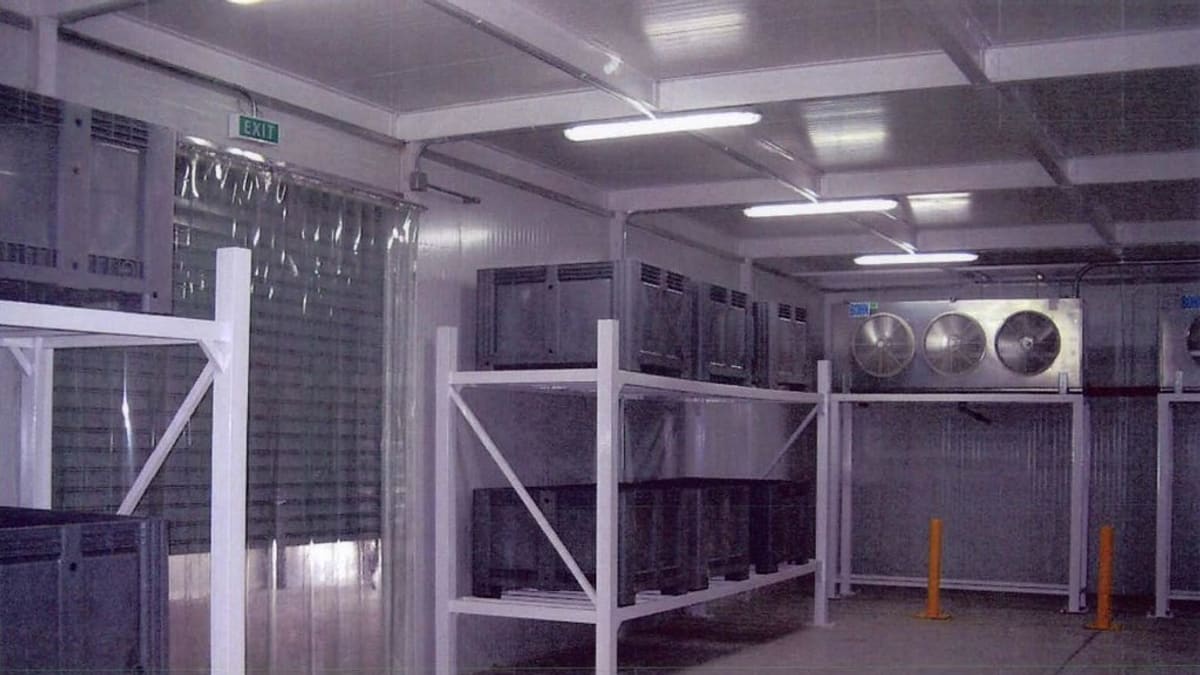
For cold stores, reefer plug points, bonded warehouses and packhouses, electricity is often the largest cost after labour. Refrigeration runs around the clock, so there is little room to shift load. A business in a larger industrial or general purpose category may have seen its bill rise by roughly 8% in April and a further 18% in May, although the exact effect depends on your tariff category, time-of-use pattern and demand charges.
The next decision is due for the fourth quarter. The 18% increase was set for the second and third quarters, and the government subsidy ends on 30 September, so the rates from October are uncertain. The IMF has asked Sri Lanka to maintain cost-recovery electricity pricing, which limits how long subsidies can continue.
What you can do
- Check your category. Look at your bill to see whether you fall in a protected SME sub-category or a larger band that took the 18% rise.
- Use time-of-day tariffs. Where your tariff allows, shift defrost cycles, battery charging and non-urgent processing to off-peak hours.
- Maintain refrigeration kit. Door seals, strip curtains, clean condensers and correct set-points reduce consumption at little cost.
- Look at rooftop solar. Warehouses have large roofs. The PUCSL publishes information on renewable energy connections.
- Plan storage efficiently. Better racking and pallet layouts can mean fewer chambers running. Our pallet loading calculator and CBM calculator help size space needs.
- Follow the PUCSL. Proposed revisions go through public consultation on the PUCSL website, and businesses can make submissions.
Tariff details vary by category. Check the approved tariff tables published by the PUCSL for your exact rates.
Sources
- Sri Lanka power tariffs to increase from April 1, 2026, Onlanka, 30 March 2026
- PUCSL approves 18% electricity tariff hike from today, Daily FT, 11 May 2026
- Sri Lanka, IMF reach staff-level agreement on 5th and 6th reviews, Newswire, 9 April 2026
- No electricity tariff changes in 3Q: PUCSL, Daily FT, 4 August 2026
- Electricity Tariff Revision - 2026 May, PUCSL, 9 May 2026
General information, based on the sources above as of 12 September 2026. It is not legal, customs or financial advice: check the official source before you act.
Is this affecting your shipments?
Share your experience or ask others in the community. No account needed.