Brent rose to US$116.91 on 23 October, up 3.3% on the day and over 6% on the week, after unverified Iranian claims of seven tankers hit; Singapore VLSFO rose to US$963/t.
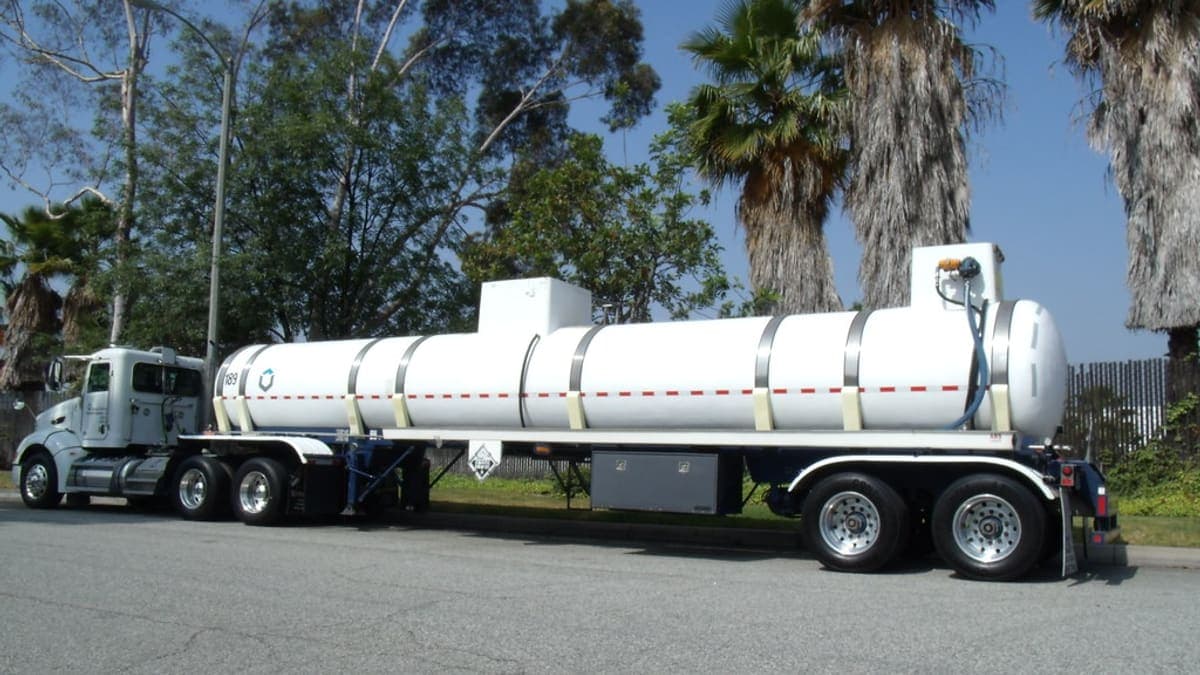
The IEA says shipping Gulf crude to Asia now costs over US$37 a barrel, five times pre-war; Platts puts a Gulf to west India VLCC at US$95.83/t vs US$19.15 in February.
Sri Lanka's first renminbi clearing bank began operating on 15 October, letting China trade be settled in RMB without a US dollar step. Imports from China were US$5.15bn in 2025.
Washington waived Graham Act tariffs and sanctions on Russia due from 18 October and plans to let sanctioned tankers carry oil legally. Brent dipped on 19 October and was US$109.51 on 20 October.
The IEA said record diesel prices are hitting the wider economy and that tightness could last well into 2027. On 15 October its board agreed to release over 20 million barrels of diesel as soon as possible.
President Dissanayake says no decision yet on a successor IMF programme after March 2027, and warns the fuel import bill could reach about US$6 billion this year if trends continue.
Official reserves fell 1.1% to US$6,851 million at end September as the Central Bank bought a net US$64.2 million. Scheduled outflows over the next 12 months equal 86% of reserves, Daily FT reported.
Brent rose 4% to US$104.28 on 8 October as Hormuz attacks cut tanker traffic, NBC reported. CPC says Sri Lankan fuel prices can be held until the end of October.
In a decision announced on 30 September, the CBSL kept the OPR at 8.75% with inflation at 8.0%. The current account posted a US$133 million August surplus, but the Jan to Aug trade deficit widened to US$7.2 billion.
Remittances reached US$6.1 billion in the first eight months of 2026 and reserves recovered to US$6.9 billion, cushioning a much larger fuel import bill.
An IMF mission left Colombo on 23 September without a staff-level deal on the seventh review. Here is what the programme asks for and why it matters to trade.
The CBSL raised its policy rate to 8.75% in May 2026 and prime lending rates are near 10.8%. Here is how that affects import finance and what to watch at the 30 September review.
SVAT ended on 1 October 2025 and exporters now pay VAT upfront and claim refunds. Official figures show faster refunds, but cash flow and compliance still need care.
CBSL's Repatriation of Export Proceeds Rules No. 2 of 2026 shorten the time exporters can hold foreign currency before converting it to rupees. Here is what changes.
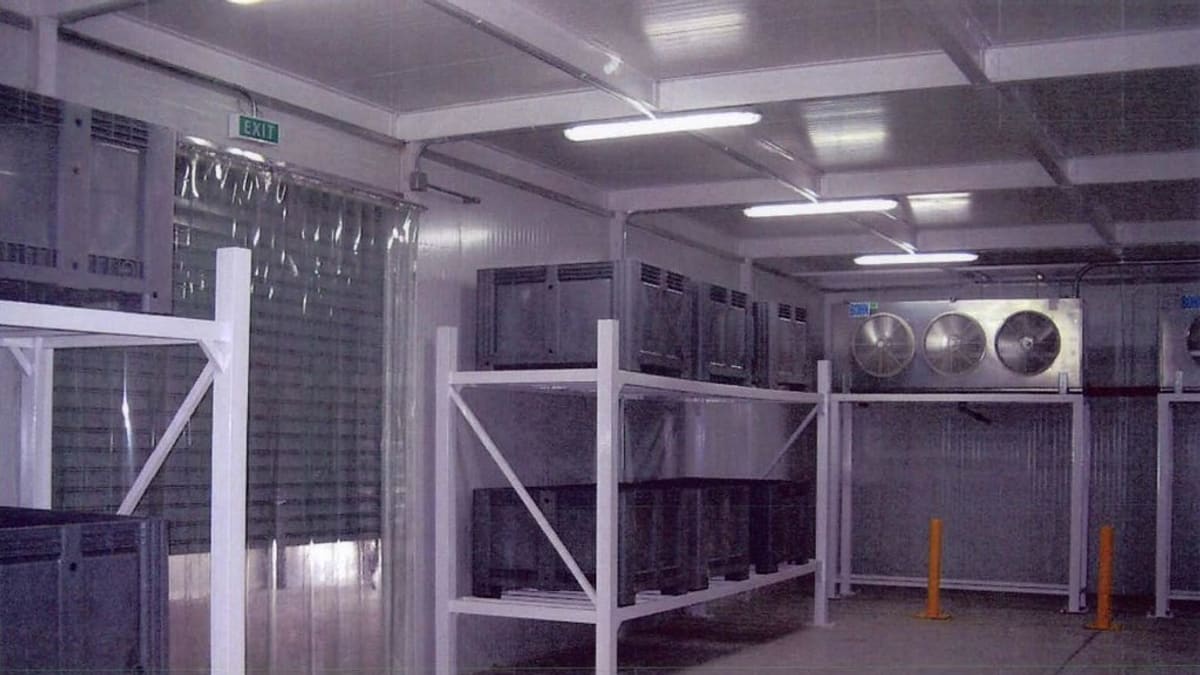
Tariffs rose from 1 April and again by 18% for larger users from 11 May 2026. With the Q3 rates held, here is what cold-chain and warehouse operators should plan for.
Diesel has held at Rs. 382 since June, but global oil is back above US$100 and the government plans a Rs. 41 billion fuel subsidy for October to December.
Container transport owners raised charges by 20% in March and a further 5% in June 2026 after fuel price hikes. Here is how that feeds into your logistics bill.
The rupee lost ground against the dollar between March and July 2026 before recovering part of it. Here is what that means for landed costs, LCs and pricing.
War risk premiums for Gulf and Red Sea voyages have jumped in 2026, and some exporters found existing cover no longer applied. Here is what to check in your policies.