
War risk, peak season and emergency surcharges: what is being added to Sri Lankan cargo
Carriers have layered war risk, peak season and emergency surcharges on to Sri Lankan exports in 2026. A guide to the main charges announced and how to keep them under control.
· 2 min read · Forwarder.lk
What is happening
Base freight is only part of the bill in 2026. Since the Middle East conflict closed the Strait of Hormuz in late February, shipping lines have added a series of surcharges, and several apply directly to cargo leaving Sri Lanka.
Examples announced this year include:
- War and conflict surcharges. The Sunday Times reported in March that war surcharges of US$1,000 to US$3,000 per container were being applied. In April it reported surcharges of US$1,500 per 20ft and US$3,000 per 40ft container on some West Asian routes, with war risk insurance of up to US$6,500 per container quoted by one logistics firm. SeaVantage reported that CMA CGM and Hapag-Lloyd applied an emergency conflict surcharge of US$3,000 per 40ft container.
- Peak season surcharges (PSS). CMA CGM introduced a PSS of US$500 per container from the Indian Subcontinent to North Europe, the Mediterranean and North Africa from 15 July 2026, Container News reported. From 18 July it applied US$1,000 per container on cargo from North West India, South East India, Pakistan and Sri Lanka to Red Sea ports, according to AJOT. For Sri Lanka and Pakistan, CMA CGM uses the date the box enters the terminal, not the sailing date, to decide which rate applies.
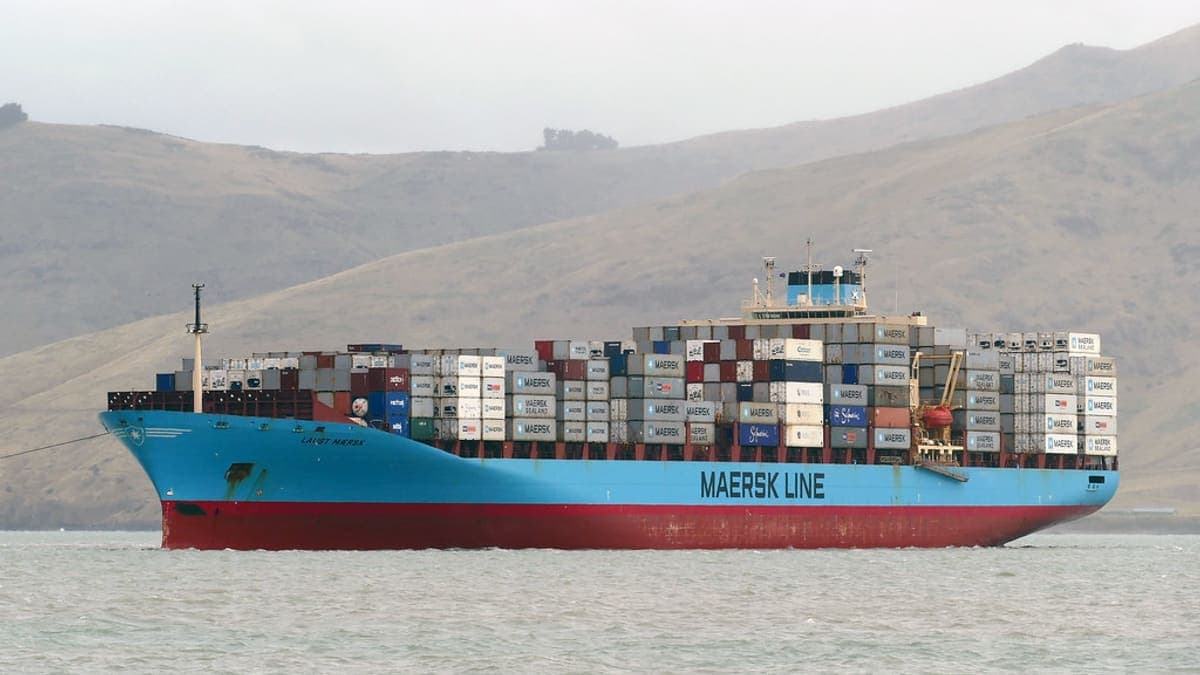
- Emergency contingency surcharges. Maersk introduced a US$1,500 Emergency Contingency Surcharge on all 20ft and 40ft dry containers from India, Bangladesh and Sri Lanka to South Africa and Indian Ocean islands, effective 10 September 2026. It cited longer voyages, equipment repositioning, capacity limits and higher operating costs.
Why it matters
A surcharge of US$1,000 to US$1,500 can equal or exceed the base rate on shorter routes, and several can apply at once. For exporters quoting on CFR or CIF terms, a surcharge announced after the price was agreed can wipe out the margin. Importers buying on FOB terms face the same risk on inbound freight.
The gate-in trigger matters for Sri Lankan shippers. If a box enters the terminal on or after the effective date, the new charge can apply even if the vessel was booked earlier. With congestion delaying sailings, that timing is harder to control.
The Sri Lanka Shippers' Council has repeatedly raised avoidable surcharges and hidden costs, including at its annual meeting in July 2026.
What you can do
- Ask for an all-in quote listing base rate and every surcharge, with the validity date for each.
- Check the trigger date. Know whether a surcharge follows the gate-in, loading or sailing date, and plan delivery to the terminal accordingly.
- Look at your contract. Service contracts sometimes cap or exclude certain surcharges. Some CMA CGM charges, for instance, apply differently to long-term contracts.
- Use price clauses. Consider terms that let you pass on surcharges introduced after the quote. Take advice on wording.
- Compare carriers. Surcharges vary by line and route. Get quotes from more than one freight forwarder.
- Talk to others. Share experiences with other shippers on the Forwarder.lk community.
Surcharges change often. Always confirm current amounts on the carrier's own tariff or advisory page before you book.
Sources
- Introduction of Emergency Contingency Surcharge (ECS) S5S Trade: India, Bangladesh & Sri Lanka to South Africa and Indian Ocean Islands, Maersk, 26 August 2026
- CMA CGM expands surcharge programme across key trade routes, Container News, 25 June 2026
- CMA CGM PSS - From the Indian Subcontinent to the Red Sea, AJOT, 6 July 2026
- West Asian cargo: War disruptions push up risk premiums; shipping routes reshaped, The Sunday Times (Sri Lanka), 26 April 2026
- Strait of Hormuz Crisis 2026: Full Timeline & Ocean Freight Impact, SeaVantage, April 2026
General information, based on the sources above as of 13 September 2026. It is not legal, customs or financial advice: check the official source before you act.
Is this affecting your shipments?
Share your experience or ask others in the community. No account needed.