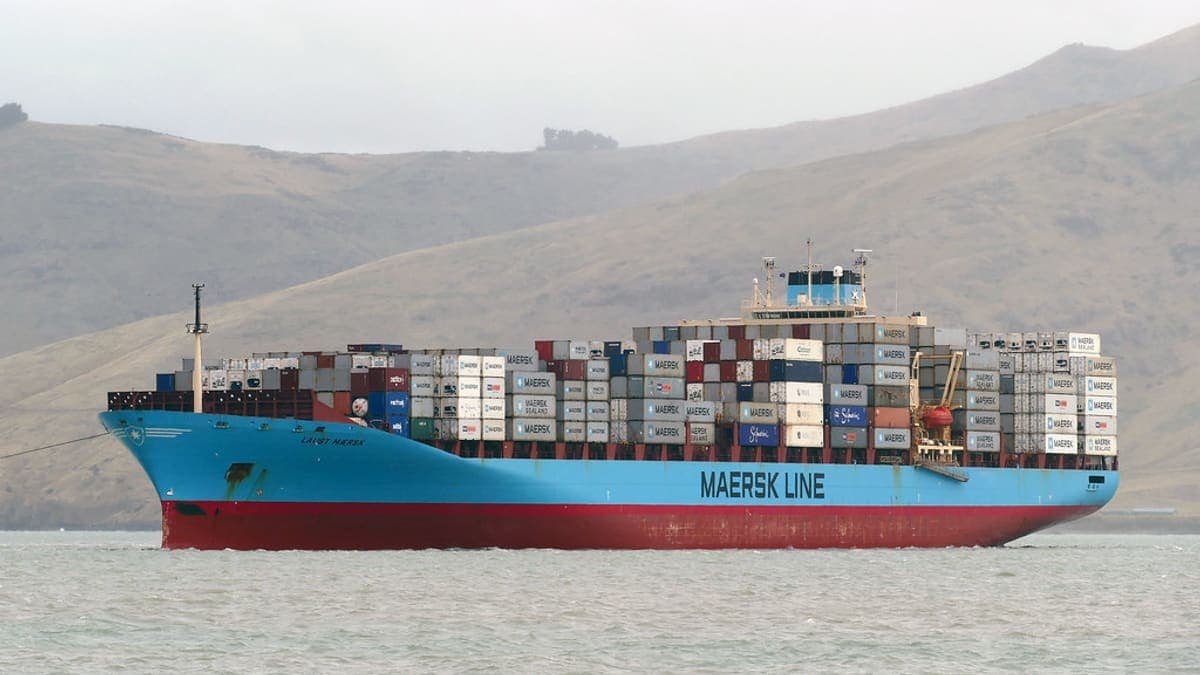
Carriers keep returning to Suez despite Red Sea attacks, leaving shippers to check insurance cover
Drewry now expects Suez transits to reach 80% of pre-diversion levels by February 2027, but war-risk costs narrow the saving and some cargo insurers do not cover ad hoc Suez routings.
· 3 min read · Forwarder.lk
What is happening
Container lines are moving more Asia-Europe services back through the Red Sea and the Suez Canal, even as security in the region gets worse. The Loadstar reported on 12 October that the return is continuing despite the escalating conflict between the Houthis and Saudi Arabia. It said CU Lines' 2,400 teu ship CUL Klang came under small arms fire in the southern Red Sea last week, and that this did not deter other carriers.
Drewry's head of container research, Simon Heaney, wrote in a new analysis quoted by The Loadstar that lines are "returning to Suez ahead of our projected timeline". Drewry has changed its base case. It now assumes Suez transits phase back from July and August and reach 80% of pre-diversion levels by February 2027, then stay at that level. This is a forecast, not a confirmed plan by carriers.
The wider security picture is tense. Bloomberg, in a report carried by gCaptain on 12 October, said the Houthis seized territory near Bab el-Mandeb, the southern entrance to the Red Sea, last month. Yemeni government forces have launched a counteroffensive with Saudi air support, and the coalition says it has recaptured the port of Mokha. The same report said attacks on Riyadh's main airport on Saturday killed 12 people. Our earlier post covers the Riyadh airport attacks and SriLankan's flight suspension.
The cost sums are close
Drewry's slot cost comparison, quoted by The Loadstar, shows only a small gain from Suez routing. It puts the saving at about US$1 million per round voyage, or US$43 per slot, comparing two services using 24,000 teu ships. That figure leaves out war-risk insurance and any Suez Canal discounts. Heaney said a war-risk premium of 0.3% of the hull value of a US$225 million ship would add US$1.35 million per round trip, which "on its own would tip the economic advantage over to the Cape routing, just". He also noted that insurers are known to offer rebates of around 50% for voyages completed without incident.
Carriers are passing some of this cost on. The Loadstar reported that MSC extended its Piracy Risk and Suez Canal surcharges through October, at a combined US$91 per teu (US$55 for piracy risk and US$36 for the canal).
Why it matters
Insurance cover can lag behind routing changes. Antonis Rigalos of ShiftX, a group of shippers that negotiates jointly with carriers, said some carriers are making ad hoc routing decisions via Suez. "Some of the insurers don't have Suez coverage, and they have to apply for that," he said, adding that if a ship planned for the Cape switches to Suez, cover has to be arranged at short notice. He said extra insurance costs for shippers so far are "manageable".
More capacity is coming back. In its cancelled sailings tracker dated 9 October, Drewry said 34 blank sailings are expected on the main East-West trades between week 42 (12 to 18 October) and week 46 (9 to 15 November), out of 713 planned sailings. That is a 5% cancellation rate. Half of the cancellations are on Asia to North Europe and the Mediterranean. Drewry said higher effective capacity could ease supply pressure, though congestion and network changes may keep rates high on some trades.
Lower rates do not mean reliable schedules. Sogese said in a report published on 13 October that Xeneta's August figure for on-time Far East to Europe arrivals was 6%. It noted that Maersk and Hapag-Lloyd moved Gemini services AE5, AE11, AE12 and ME2 back to Suez on 14 September and made further changes depend on stability in the Red Sea and no regional escalation. Sogese's base case, also a forecast, is a further fall in Asia-Europe rates through the fourth quarter. For background on what the Suez return means for transit times, see our 7 October post.
What you can do
- Ask your carrier or forwarder which routing your booking is planned on, Suez or the Cape, and whether it can change after loading.
- Check with your cargo insurer whether your policy covers Red Sea and Suez transits and war risks, and how quickly cover can be added if the route changes.
- Read carrier surcharge notices for Suez, piracy and war-risk charges, and confirm whether they appear on your quotes for Europe and Mediterranean cargo.
- Allow for schedule changes on Asia-Europe lanes when planning delivery dates for buyers or production inputs.
- Follow Drewry's weekly blank sailing tracker and the World Container Index for signs of where rates are heading.
Sources
- Shippers stressing over risks from Suez Canal and Red Sea transits, The Loadstar, 12 October 2026
- Cancelled Sailings Tracker, Drewry, 9 October 2026
- Deadly Attacks on Saudi Arabia Risk Wider War That Draws In US, gCaptain (Bloomberg), 12 October 2026
- Lower container rates are not a return to predictable service, Sogese says, Hellenic Shipping News (Sogese), 13 October 2026
General information, based on the sources above as of 13 October 2026. It is not legal, customs or financial advice: check the official source before you act.
Is this affecting your shipments?
Share your experience or ask others in the community. No account needed.