Asian port congestion ties up 8.5% of the world's box ships and may last into 2027
Sea-Intelligence says about 3 million TEU is stuck in delays at Asian ports after typhoons hit Shanghai and Ningbo, with recovery taking 7 to 10 months. Intra-Asia rates are at records.
· 3 min read · Forwarder.lk
What is happening
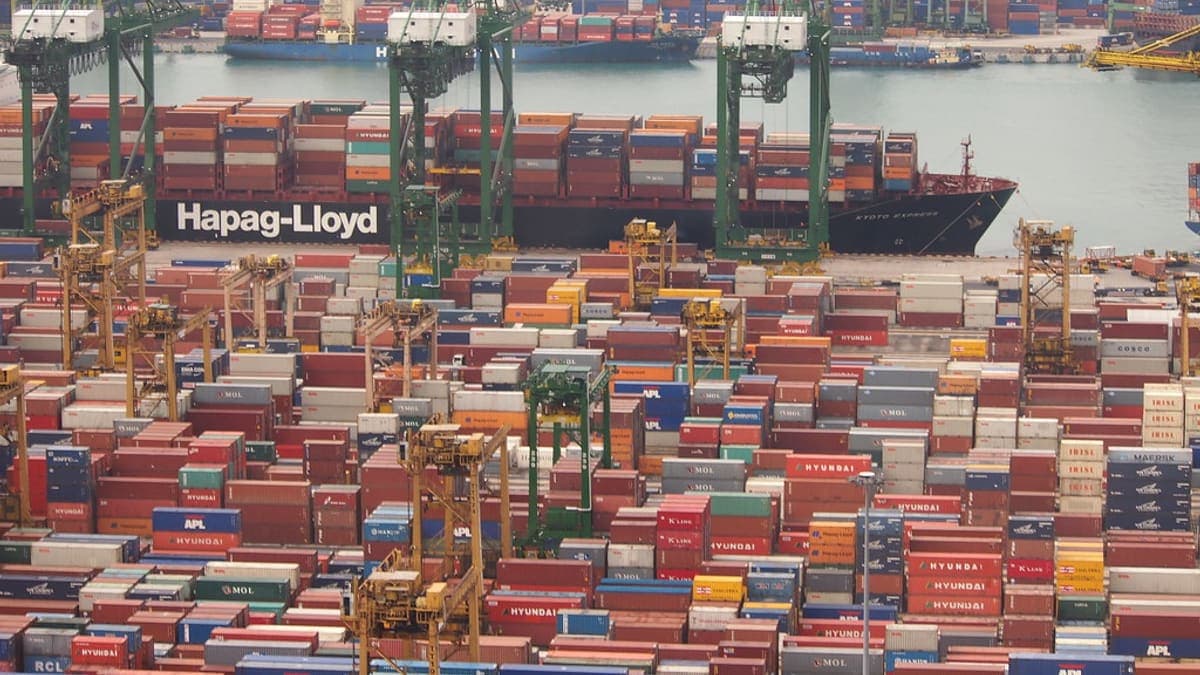
Congestion at Asia's biggest container ports is now taking a large share of the world's ships out of use, and analysts say it could last into 2027.
The Manila Times reported on 4 October 2026 that Sea-Intelligence data shows about 8.5% of the global containership fleet, roughly 3 million TEU, is tied up by delays at Asian ports. Sea-Intelligence estimates it could take seven to 10 months to return to the low congestion of June 2025. That means the problem may still be with us at Chinese New Year on 6 February 2027. The report, citing Sam Chambers, editorial director at Asia Shipping Media, said "History suggests the disruption will take months rather than weeks to unwind."
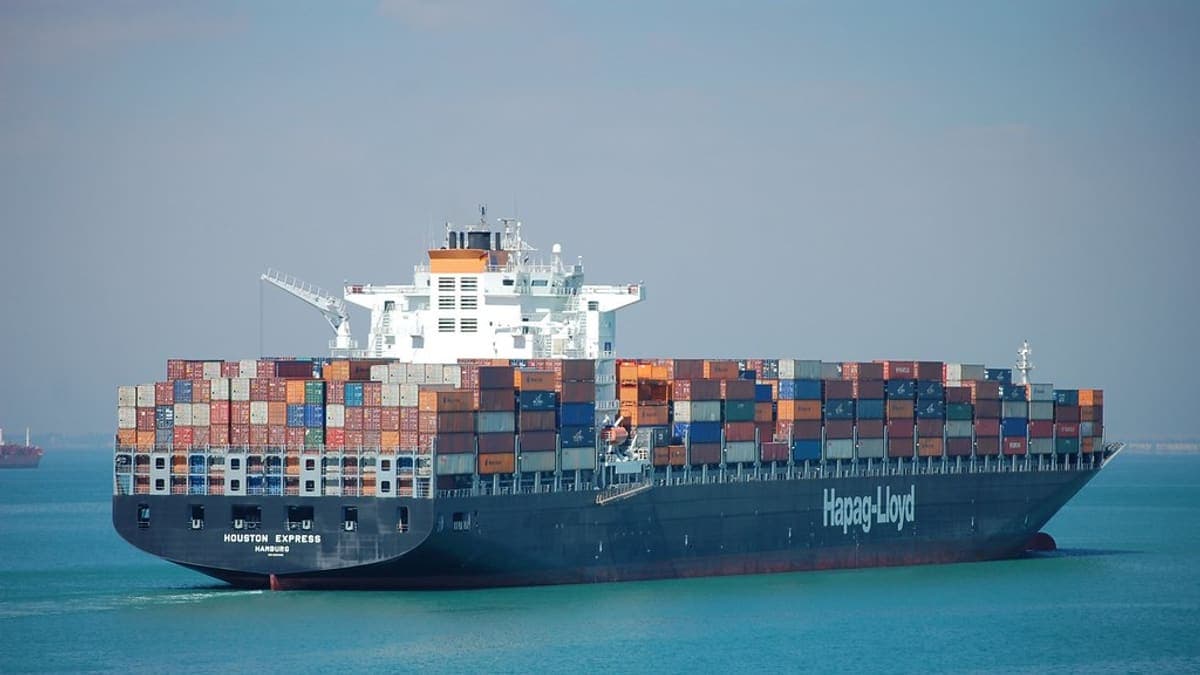
The main cause is weather. WorldCargo News reported on 27 August that Shanghai and Ningbo, the world's two largest container ports, were hit by Typhoons Bavi and Dolphin and then Typhoon Saudel. Hapag-Lloyd expected both ports to close from 26 to 29 August. Hapag-Lloyd reported waits of 5 to 11 days at Shanghai Yangshan in late August, depending on the service. At that time Sea-Intelligence put the capacity absorbed by delays at about 1.7 million TEU, so the figure has grown sharply since. Xeneta's Peter Sand called it a "special typhoon season" for China's mega ports.
The effects are spreading. The Manila Times report said:
- HSBC sees congestion moving toward Southeast Asia and the Indian subcontinent.
- Freightos warned that carriers skipping affected ports could push pressure onto other ports.
- Drewry's Intra-Asia index is at record levels, with Shanghai to Laem Chabang up 22% to US$1,609 per 40ft and Shanghai to Jakarta up 12% to US$2,300.
- Xeneta reports Asia to US rates near pandemic-era levels.
Long-haul East-West rates tell a different story for now. Drewry's World Container Index fell 1% to US$4,434 per 40ft on 1 October, with Shanghai to Rotterdam down 2% to US$3,399 after 12 weeks of falls on Asia-Europe. Drewry said Suez Canal transits in week 39 were 68% higher than a year earlier, adding capacity on Asia-Europe, while uncertainty over Houthi activity and disruption around the Strait of Hormuz continue.
Why it matters
Colombo is a transshipment hub, so delays in China and Southeast Asia arrive here as bunched vessels, skipped calls and rolled boxes. We covered the local side in our post on Colombo port congestion in September.
For Sri Lankan traders the main effects are:
- Imports from China and East Asia (fabric, machinery, building materials, consumer goods) can arrive later than planned, with longer and less certain transit times.
- Intra-Asia freight costs are high. This hits apparel makers that bring fabric and trims from China and Southeast Asia, and exporters shipping within the region.
- Schedules are unreliable. When ships arrive in bunches, berths and yards fill up, which can add storage and detention costs.
- Europe-bound rates are falling, which helps exporters to the EU, but carriers plan higher rates in the second half of October, Drewry said.
Analysts' recovery timelines are forecasts, and another storm or a quick recovery could change them.
What you can do
- Add buffer time to raw material orders from China and Southeast Asia, especially for production planned before Chinese New Year.
- Ask your forwarder for the latest port omission and delay notices from carriers on your routes.
- Book intra-Asia space early and confirm the rate validity in writing.
- Check free time and detention terms in case boxes arrive in a bunch. Our demurrage and detention post explains the common disputes.
- If you are negotiating 2027 contracts, Xeneta's Peter Sand warned shippers not to assume current disruption will disappear quickly. Plan for some slack.
- Find a forwarder with strong Asia coverage through our directory.
Sources
- Asian port congestion may prolong shipping crunch into 2027, The Manila Times, 4 October 2026
- New typhoon deals fresh blow to Shanghai, Ningbo recovery as congestion mounts, WorldCargo News, 27 August 2026
- World Container Index - 01 Oct, Drewry, 1 October 2026
General information, based on the sources above as of 7 October 2026. It is not legal, customs or financial advice: check the official source before you act.
Is this affecting your shipments?
Share your experience or ask others in the community. No account needed.