Oil near US$100 in October 2026: Hormuz attacks, OPEC+ hold and a higher EIA forecast
Brent traded around US$101 on 5 October as Hormuz tanker attacks continued. OPEC+ held November output, and the EIA now sees Brent at US$105 in Q4 2026.
· 3 min read · Forwarder.lk
What is happening
Oil is back around US$100 a barrel in the first week of October 2026, and the main reason is still the conflict involving Iran and the Strait of Hormuz.
Prices. Oilprice.com reported on 5 October that Brent was trading at US$101.20 a barrel and West Texas Intermediate (WTI) at US$89.73. Crude dipped in early trading that day after reports that Hormuz flows had recovered, but Brent stayed above US$100. Trading Economics showed Brent at about US$100.8 on 7 October, up about 3% over the past month and about 52% higher than a year earlier.
Hormuz: more traffic, more attacks. The picture in the Strait is mixed.
- Oilprice.com, citing Reuters' description of provisional Kpler data, reported that flows out of Hormuz were between 19.5 million and 22.5 million barrels a day from 27 to 29 September, about double the level a month earlier and above pre-war levels.
- Lloyd's List Intelligence reported in its 30 September brief that there were 117 non-Iranian-linked transits from 14 to 20 September, up from 106 the week before, and that September was on track to be the busiest month since the conflict started, apart from the period of the US-Iran peace memorandum in June. It also counted more than 90 attacks on commercial ships since the war began and said the threat level to commercial shipping "remains severe".
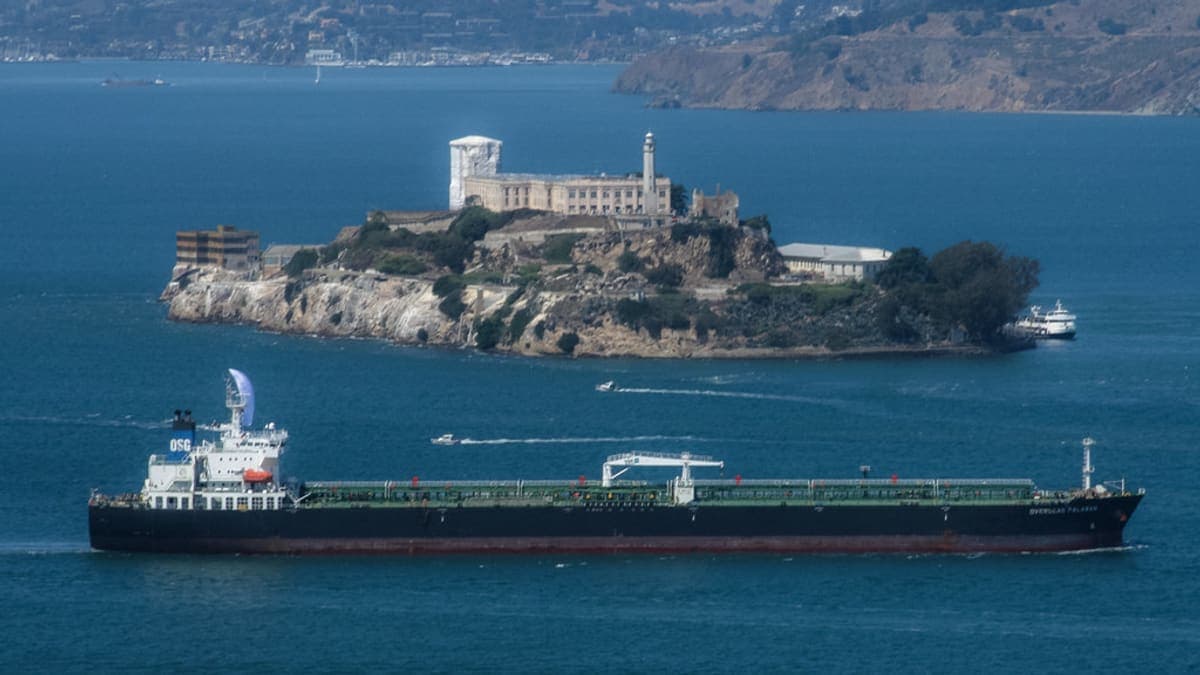
- gCaptain reported on 2 October that at least six vessels had been hit by unknown projectiles in the Strait since 28 September, mostly tankers. UKMTO had not said who was responsible.
- On the diplomatic side, Lloyd's List Intelligence reported that Iran had relayed a seven-day proposal to reopen the Strait through Qatar, which US President Trump publicly rejected, while Iranian news agencies said no new round of talks was planned.
OPEC+ holds output. On 4 October the seven core OPEC+ members (Saudi Arabia, Russia, Iraq, Kuwait, Kazakhstan, Algeria and Oman) agreed to keep November production targets unchanged from September, Hellenic Shipping News reported, carrying an Investing.com story. Saudi Arabia's required output stays at 10.478 million barrels a day and Russia's at 9.949 million. The report noted that actual output from Saudi Arabia, Iraq and Kuwait remains well below pre-conflict levels, so quota changes have little practical effect. It also said G7 countries have announced a release of up to 100 million barrels of emergency stocks. The group meets again on 1 November.
EIA raises its forecast. In its Short-Term Energy Outlook released on 6 October, the US Energy Information Administration forecast Brent at US$105 a barrel in the fourth quarter of 2026, US$14 higher than in its September outlook. It now expects Brent to average US$96 in 2026 and US$84 in 2027, up from US$91 and US$74. These are forecasts. The EIA assumes Middle East oil flows stay constrained through the fourth quarter, and it pointed to "extreme tightness in diesel markets".
Why it matters
Sri Lanka pays more for crude. The Ceylon Petroleum Corporation (CPC) chairman said on 1 October that the price of the crude Sri Lanka buys had risen from about US$69 to about US$115 a barrel since February, Newswire reported. That is why local diesel and petrol prices went up again on 1 October (see our separate post on the October revision).
Freight costs follow fuel. Higher crude feeds into ship fuel (bunker) prices, which carriers pass on through fuel surcharges, and into jet fuel for air cargo. With the EIA expecting tight diesel markets and a higher fourth-quarter price, there is little sign of relief on fuel-linked charges before the end of the year.
Gulf trade stays risky. More ships are moving through Hormuz, but the attack rate has not fallen. Cargo to and from the Gulf will keep carrying war-risk costs and the risk of delay. Our earlier post on Hormuz and the Red Sea and our post on war-risk cargo insurance explain how this reaches Colombo.
Watch the swings. The price moves on headlines. Reports of better flows pushed prices down on 5 October, and tanker attacks pushed them back up. Quotes that depend on fuel can change quickly.
What you can do
- Ask your forwarder which fuel surcharges apply to your next bookings and when they will be reviewed.
- Build a fuel buffer into Q4 landed-cost estimates rather than using September figures.
- For Gulf shipments, confirm war-risk cover and any extra charges before you book.
- Watch the next OPEC+ meeting on 1 November and the next EIA outlook on 10 November.
- Compare notes with other traders in the community.
Sources
- Oil Prices Fall as Reports Say Hormuz Crude Flows Top Pre-War Levels, Oilprice.com, 5 October 2026
- Short-Term Energy Outlook (October 2026), U.S. Energy Information Administration, 6 October 2026
- OPEC+ holds output targets steady as Middle East conflict tightens supply, Hellenic Shipping News (Investing.com), 5 October 2026
- Strait of Hormuz Brief: 30 September, 2026, Lloyd's List Intelligence, 30 September 2026
- Six Vessels Hit in Strait of Hormuz Since Sunday, gCaptain, 2 October 2026
- Brent crude oil price, Trading Economics, 7 October 2026
- Diesel costs Rs. 528, sold at Rs. 392: CPC Chairman, Newswire, 1 October 2026
General information, based on the sources above as of 7 October 2026. It is not legal, customs or financial advice: check the official source before you act.
Is this affecting your shipments?
Share your experience or ask others in the community. No account needed.